Efferon Develops Medical Technology to Reduce Deaths From Childhood Sepsis
Efferon, a medical technology startup selected for TechCrunch Disrupt 2026’s Startup Battlefield 200, is working to reduce deaths caused by paediatric sepsis, a life threatening condition triggered by the body’s response to infection.
Sepsis can cause widespread inflammation, damage vital organs and lead to death if it is not treated promptly.
The company highlights the devastating global impact of the condition, particularly among children under five, and aims to improve outcomes through specialised blood purification technology.
The company has developed medical devices designed to remove harmful substances from the bloodstream when the body’s immune response becomes dangerously excessive.
According to Efferon co founder and Chief Executive Officer Dima Romashin, sepsis can be compared to a fire in which endotoxins act as the flames and inflammatory substances known as cytokines act as the smoke.
Efferon’s technology is designed to absorb both, potentially helping reduce the damage associated with severe infection.
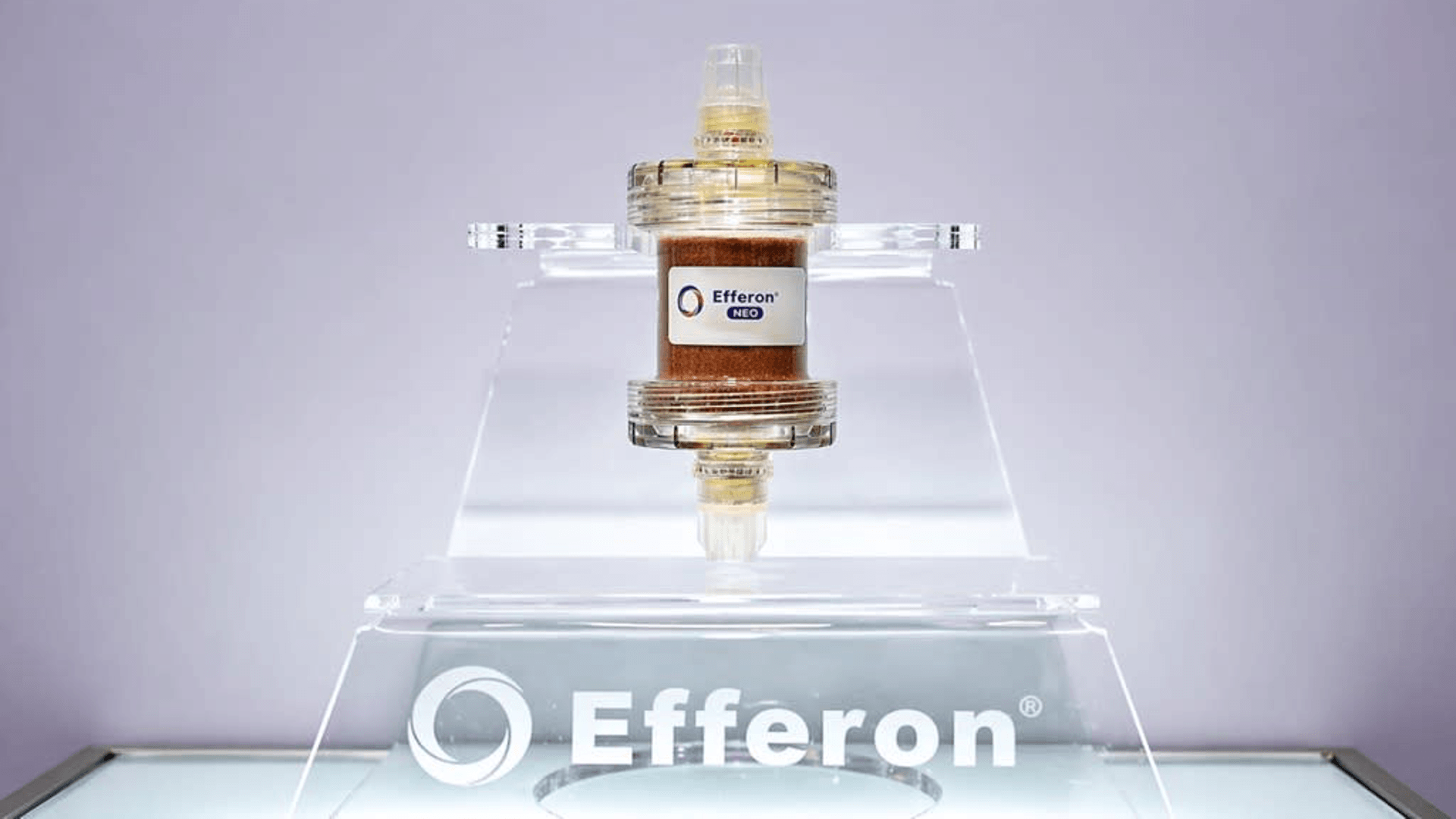
Although Efferon produces blood purification devices for adults, its Efferon NEO product has been developed specifically for children.
Young patients have significantly lower circulating blood volumes than adults, meaning medical devices must be carefully designed to suit their physiology.
In April, Efferon NEO received a European CE mark, allowing it to be marketed in accordance with applicable European requirements.
The company describes it as the first multimodal blood purification device specifically engineered for paediatric sepsis.
Efferon NEO is reportedly being used in intensive care units across 30 countries, including European nations, Saudi Arabia and Thailand.
The company is also preparing to seek approval from the United States Food and Drug Administration.
Efferon expects to reach an annualised revenue rate of $2 million by the end of 2026.
Its technology was originally developed by scientists at Moscow State University, including co founder Ivan Bessonov, before Romashin joined the company to help commercialise the innovation.
Despite operating in a medical technology market that typically grows more slowly than the artificial intelligence sector, Efferon believes its impact should be measured by improvements in patient outcomes rather than rapid financial expansion.
The company hopes its devices will help reduce organ failure, accelerate recovery and improve survival among children with severe infections.
However, the technology’s broader clinical impact will depend on continued evaluation, regulatory progress and evidence of its effectiveness across different healthcare settings.
For Efferon, the ultimate goal is to help more critically ill children recover and return home to their families.
Source:TechCrunch

news via inbox
Get the latest updates delivered straight to your inbox. Subscribe now!