Battle for the Soul of AI: Inside the Musk vs Altman Showdown
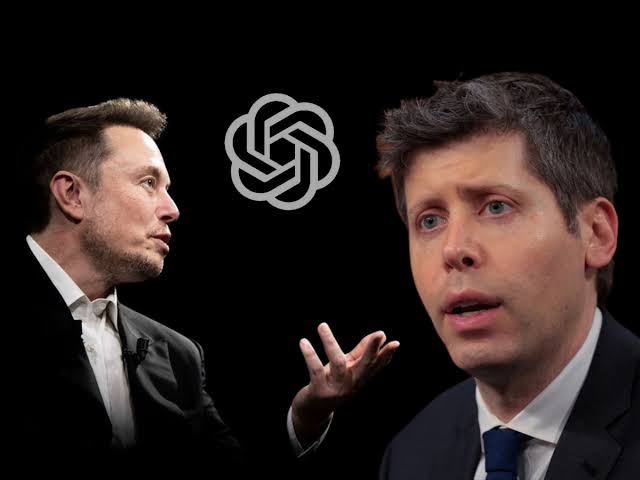
The courtroom in Oakland has become an unlikely stage for one of the most consequential debates in modern technology. At the center are two powerful figures- Elon Musk and Sam Altman, once aligned by a shared ambition to advance artificial intelligence for humanity, now locked in a legal and ideological clash that could redefine the future of AI.
What began as a collaborative vision has evolved into a confrontation over purpose, power, and the direction of one of the world’s most influential AI organizations- OpenAI.
From Shared Vision to Public Fallout
In its early days, OpenAI was positioned as a nonprofit committed to ensuring that artificial intelligence would benefit humanity as a whole. Musk, one of its early backers, has built his case around the belief that this founding principle has been compromised.
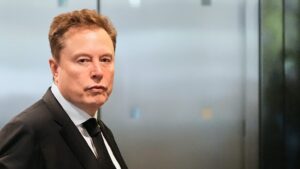
His argument is straightforward but weighty. OpenAI, he claims, has drifted from openness and public good toward a profit-driven model shaped by strategic partnerships and commercial interests. At stake is not just the company’s structure, but its original promise.
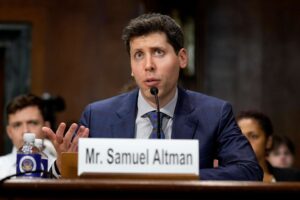
Altman and OpenAI strongly disagree. Their defense frames the shift not as a betrayal, but as an evolution. Building advanced AI systems, they argue, requires enormous computational power, talent, and infrastructure, resources that demand significant funding. In their view, a hybrid or profit-aligned model is not a deviation, but a necessity for survival and progress.
Inside the Courtroom
As proceedings enter deeper stages, the trial has revealed more than legal arguments, it has exposed the internal fractures that reshaped OpenAI’s trajectory.
Musk’s testimony has been marked by intensity, with sharp exchanges underscoring just how far the relationship has deteriorated.
The court, however, has remained focused. The judge has consistently steered the conversation away from speculative fears about AI and toward the core issue: corporate conduct and accountability.
Still, each session offers a rare window into the tensions behind one of the most important tech organizations of our time.
A Bigger Question Than Both Men
Beyond personalities and past alliances, this case taps into a deeper global dilemma: Who should control the future of artificial intelligence and under what principles?
At one end is the idea of AI as a public good, guided by ethical stewardship, transparency, and long-term human benefit. At the other is the reality of market forces, where innovation is fueled by capital, competition, and speed.
This is the real battleground. Governments, investors, and emerging AI companies are watching closely because the outcome could influence:
• How AI companies are structured
• How accountability is enforced
• How innovation is funded and governed
What Happens Next
With more testimonies expected, including that of Altman- the case is far from over. Each new development adds weight to what is already a defining moment for the tech industry.
Regardless of the final ruling, one thing is clear: This is no longer just a dispute between two tech leaders. It is a referendum on what artificial intelligence is meant to be, and who it ultimately serves.
The clash between Musk and Altman is shaping more than headlines. It is forcing a global conversation about trust, control, and responsibility in an age where AI is no longer experimental but foundational.
And as that conversation unfolds, the world is left to decide: Should the future of AI be owned or shared?

news via inbox
Get the latest updates delivered straight to your inbox. Subscribe now!