
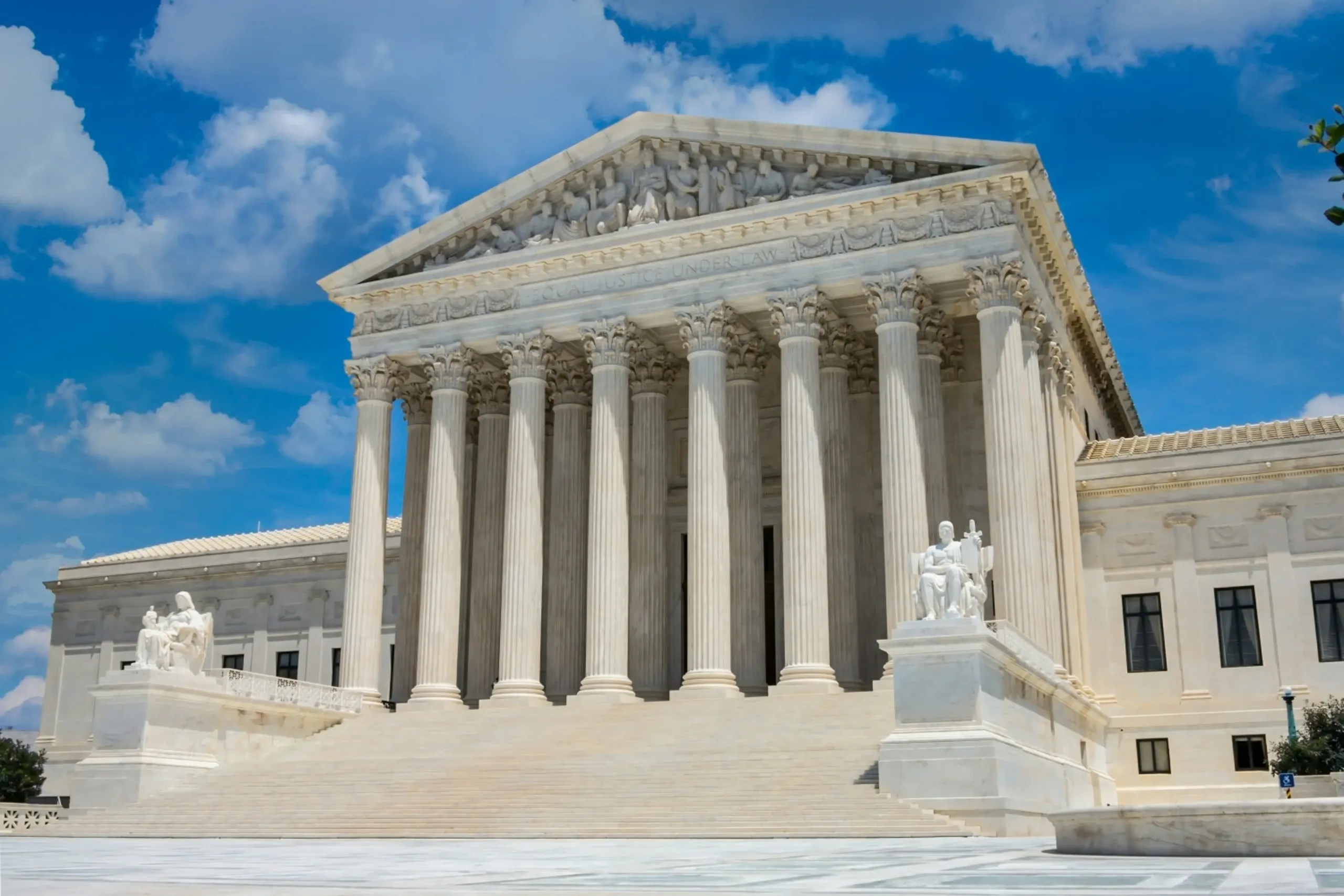
U.S. Supreme Court Weighs Legality of Geofence Warrants
The United States Supreme Court is currently considering a landmark case that could reshape digital privacy rights across the country.
At the center of the debate is the use of “geofence” warrants, a controversial law enforcement tool that allows authorities to collect location data from tech companies to identify potential suspects.
The case, involving a Virginia man convicted of bank robbery, examines whether such warrants violate constitutional protections against unreasonable searches.
Investigators in the case used a geofence warrant to request data from Google, identifying devices that were near the crime scene during a specific timeframe. This method enabled them to narrow down potential suspects, eventually leading to the defendant.
Critics argue that geofence warrants are overly broad, as they can capture data from individuals who are not connected to any crime.
The use of geofence warrants has grown significantly in recent years, becoming a common investigative tool for law enforcement.
However, the practice has also faced scrutiny due to cases where it has mistakenly implicated individuals or been used beyond its intended scope, including monitoring lawful activities such as protests.
During oral arguments, the Supreme Court justices appeared divided on the issue. While some expressed concern about privacy implications, others suggested that limiting the scope of such warrants, rather than banning them outright might be a more practical solution. A final decision is expected later this year.
The outcome of the case could have far-reaching implications not only for Google but for any technology company that collects and stores user location data.
As digital privacy continues to evolve, the court’s ruling may set a precedent for how personal data is accessed and protected in the future.
Source: TechCrunch

news via inbox
Get the latest updates delivered straight to your inbox. Subscribe now!