Science Corporation Implants Vision Restoring Chip in First Patient With Stargardt Disease
Science Corporation has implanted its PRIMA vision restoration device in its first patient with Stargardt disease, an inherited eye condition that progressively damages central vision.
Chief Executive Officer Max Hodak, a former president and co founder of Neuralink, announced the development while discussing the company’s work at TechCrunch Disrupt.
Hodak explained that the technology forms part of a broader effort to develop brain computer interfaces for medical applications, including restoring lost sensory functions and addressing neurological conditions.
Stargardt disease affects the retina, gradually destroying light sensing cells while potentially preserving the inner retinal structures responsible for transmitting visual signals to the brain.
The condition causes a blind spot in the centre of a person’s vision that can expand over time. Approximately 150,000 people worldwide have reportedly lost vision because of the disease.
Science Corporation believes its PRIMA technology could offer a new approach to restoring some visual abilities in patients who currently have limited treatment options.
According to the company, the first patient with Stargardt disease received the implant in May as part of an ongoing clinical trial at Sydney Eye Hospital in Australia.
During the patient’s first rehabilitation session, he was able to see a letter, and during the second session, he successfully read a word.
The device consists of a small implant measuring approximately two millimetres by two millimetres, which is placed at the back of the eye in an area where photoreceptors have degenerated.
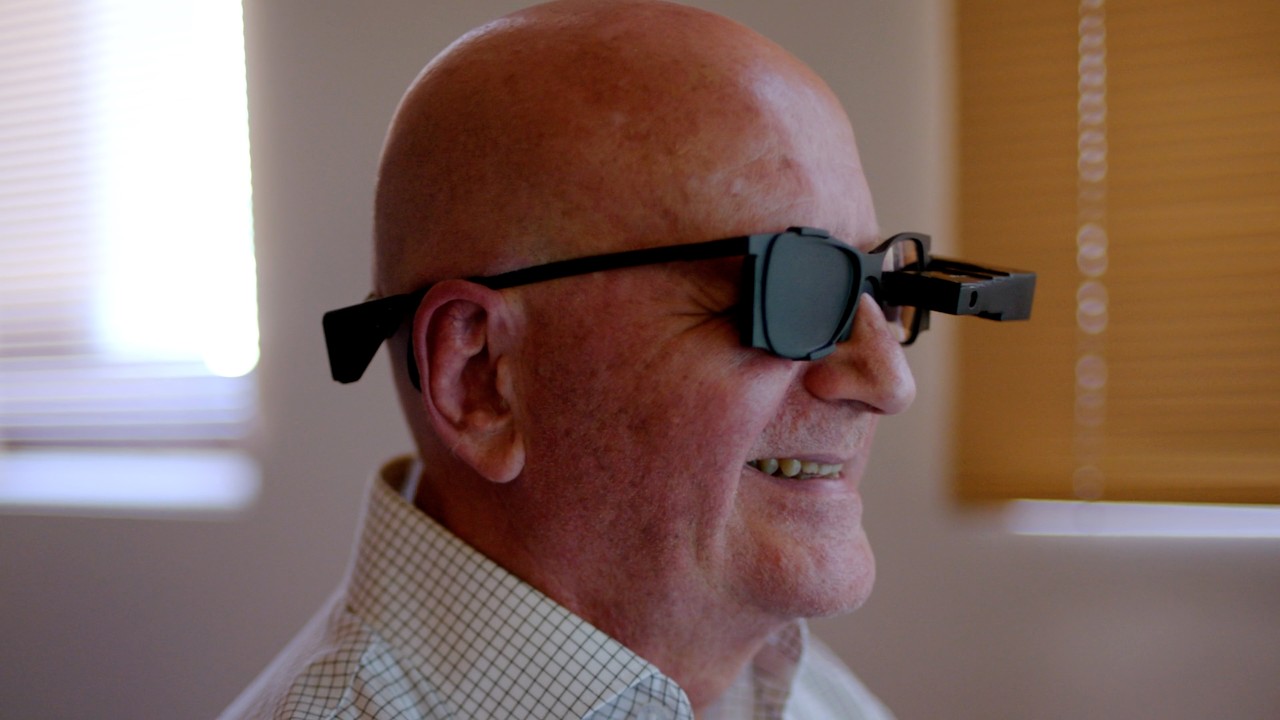
Patients wear specially equipped glasses that capture images and transmit visual information to the implant, which functions like artificial photoreceptors.
Hodak said the current device provides a limited field of view and produces black and white images rather than full colour vision.
However, the implant can deliver sharp, high contrast visual information that allows patients to recognise individual letters and simple patterns.
The company is working on improved versions with larger fields of view and smaller electrodes to provide greater visual detail.
Hodak expressed confidence that future generations could approach natural visual clarity, with another version expected to enter human testing within the following year.
Founded in 2021, Science Corporation initially focused on advanced neural engineering and brain computer interface technology.
The company is also exploring implants that sit inside the skull above the brain, rather than being inserted directly into brain tissue.
Hodak said its future research could address neurodegenerative diseases and the effects of stroke by developing new connections within the brain.
Ultimately, the company hopes to better understand how the brain produces the mind and develop technologies that could extend not only human lifespan but also the period people spend living in good health.
Source: TechCrunch

news via inbox
Get the latest updates delivered straight to your inbox. Subscribe now!