Satlyt Raises $8 Million to Develop Software for AI Computing in Space
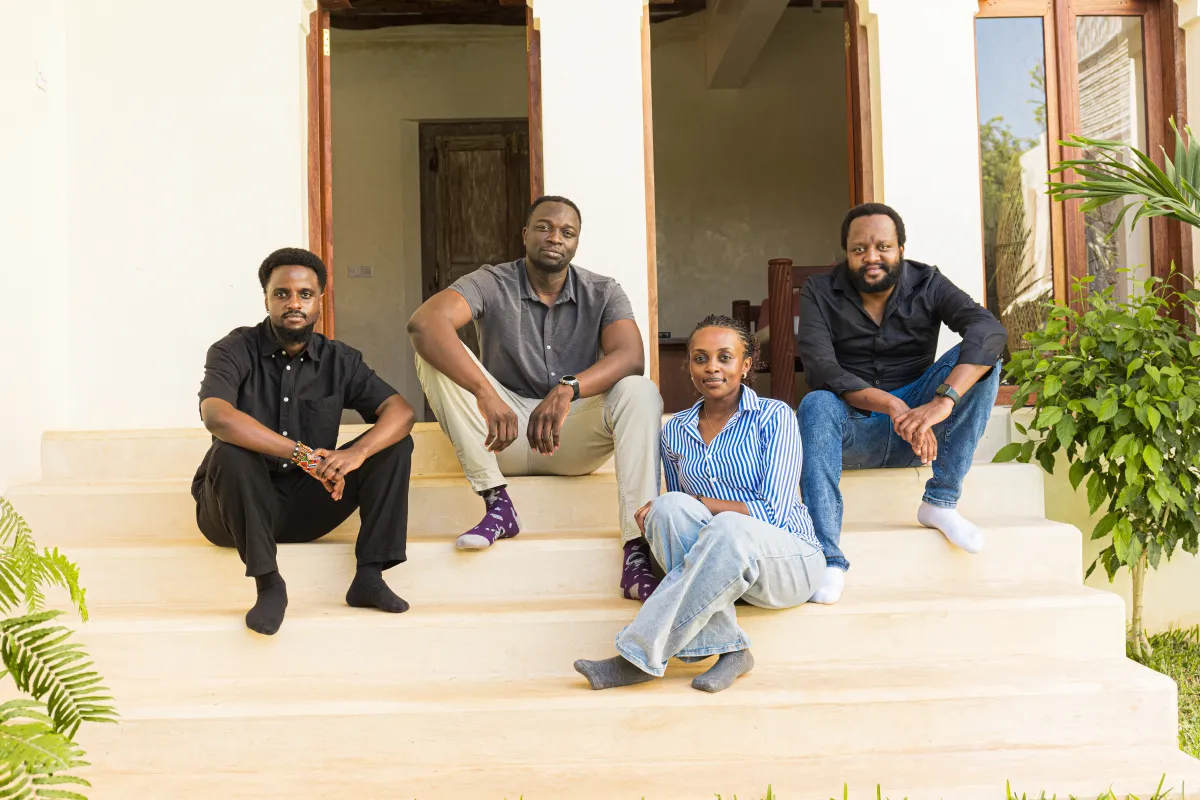
Satlyt, a startup founded by Kenyan American engineer Rama Afullo, has raised $8 million in seed funding to develop software that allows satellites to perform artificial intelligence tasks and share computing resources in space.
Afullo previously worked in Google’s cloud computing business and later joined SpaceX’s Starlink operation in 2024.
He said his experiences at both companies convinced him that satellites could support more advanced computing activities, although his proposals to develop the technology internally were rejected.
After leaving SpaceX, Afullo co founded Satlyt, which operates from Sunnyvale, California, and Nairobi, Kenya.
Unlike companies building their own spacecraft, Satlyt focuses on developing software that allows AI models to operate on satellites belonging to different operators.
Afullo compared the approach to software platforms that enable users to run complex applications without having to manage the underlying computing infrastructure.
The company hopes to create an open system that works across multiple satellite manufacturers and operators.
Satlyt has already tested its software on two demonstration missions. One of its early projects involved deploying Google’s Gemma AI model on a spacecraft operated by Momentus.
The system reduced the size of transmissions containing information about onboard software errors by more than 60 per cent, according to the company.
By analysing information and resolving certain problems directly in space, satellites could reduce the amount of data they need to send back to Earth, lowering communication costs and improving operational efficiency.
The company’s next mission involves software operating aboard a spacecraft built by TakeMe2Space, an Indian startup developing computing hardware for satellites.
The project includes work for NASA, which is testing protocols for cloud computing in space, and Stellerian, a company interested in processing images for space surveillance.
TakeMe2Space will also use the mission to demonstrate that its satellite can host software developed by other organisations.
Satlyt hopes to expand this capability by connecting computing resources across two separate satellites in a planned demonstration next year.
Satlyt’s seed funding was led by Non Sibi Ventures, a Houston based investment firm whose partner Bernard Harris previously served as a NASA astronaut.
The company aims to make satellite computing a commercially viable service without depending on the immediate development of large orbital data centres.
Afullo hopes Satlyt’s software will eventually operate on 20 per cent of satellites by the end of the decade, as spacecraft manufacturers increasingly incorporate advanced processors.
Source: TechCrunch

news via inbox
Get the latest updates delivered straight to your inbox. Subscribe now!