Internet Is Full of Things We Save and Forget- A Spotlight on Laytr App
By Victory Bernard
There is a strange habit that has become normal on the internet- we save things we fully intend to come back to, and then never do.
An article gets bookmarked. A recipe disappears into Instagram saves. A useful video sits somewhere in a camera roll. A screenshot joins hundreds of other screenshots. A browser tab stays open for weeks.
We are surrounded by information, but finding the things we once found useful can be surprisingly difficult.
That is the problem Laytr is trying to solve.
From “Read Later” to “Use Later”
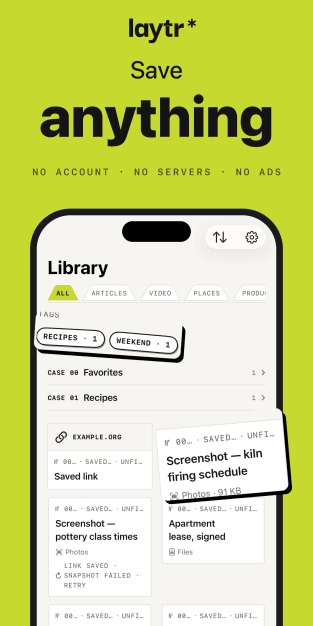
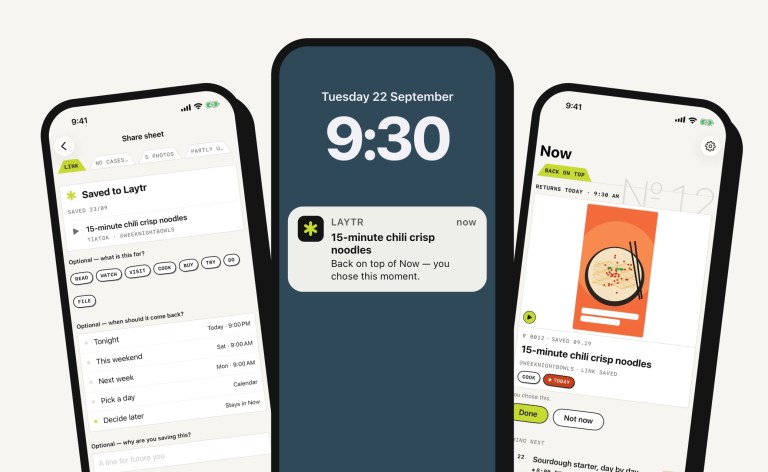
The new app is taking the familiar idea behind read-it-later services and expanding it. Instead of saving only articles, Laytr allows users to save recipes, screenshots, videos, PDFs, links and open tabs in one place.
The timing is interesting. Mozilla shut down Pocket, one of the best-known read-it-later services, creating room for new alternatives. Laytr is entering that space with a slightly different question: what if the things we save online are not necessarily things we want to read?
A recipe may need to be opened when you are cooking. A travel location may matter next month. A PDF may become useful when preparing for a meeting. A video may be worth watching later.
The value is therefore not simply saving. It is remembering at the right time.
Laytr lets users choose when they want something brought back to their attention. Its website describes the process simply: save something, pick a day, and the app reminds you.
The Bigger Idea
There is also an interesting privacy angle.
Laytr says users do not need an account and that saved content remains on their devices and in their own iCloud. The company says it has no Laytr server that can read users’ saved material, and the app currently works across iPhone, iPad and Mac.
That approach stands out at a time when many digital products are built around collecting more information about their users.
Laytr is betting on something simpler: your digital memory should belong to you.
The app does not promise to solve the internet’s information overload. It does something smaller, but perhaps more useful. It tries to close the gap between “I should save this” and “I actually used it.”
Because the problem with the internet is no longer finding information.
It is remembering what mattered.
Victory Bernard, Managing Editor, BizTech Echoes

news via inbox
Get the latest updates delivered straight to your inbox. Subscribe now!