Can Smart Glasses and Privacy Coexist?
By Victory Bernard
Smart glasses are being developed as part of the technology industry’s push beyond smartphones, but the devices are facing a challenge that technology alone cannot easily solve: privacy.
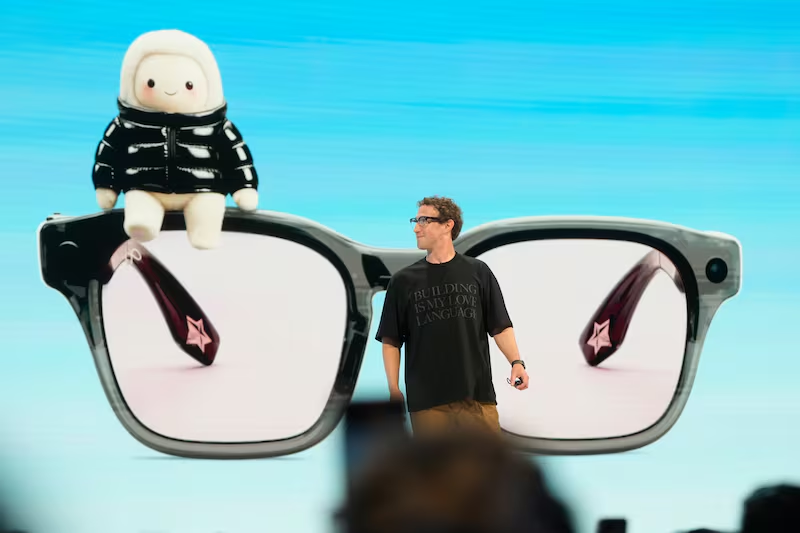
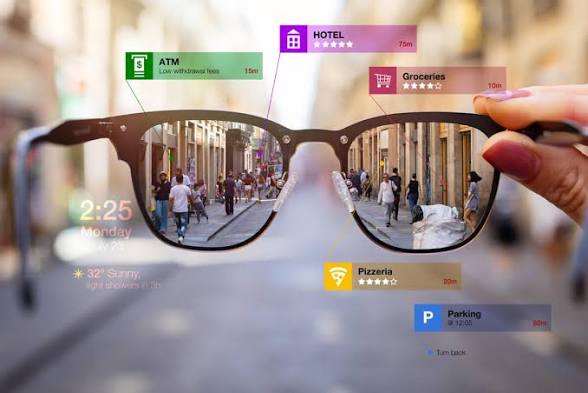
Companies including Meta, Samsung and startups in the wearable-technology market are developing devices that can see, hear and interact with the world around the user.
But as these products become more capable, concerns are growing about what happens when cameras and artificial intelligence are operating around people who are not wearing the device.
When Technology Can See Around You
Reuters reported on September 22 that privacy concerns are increasing around AI-powered wearables, particularly smart glasses and other devices capable of recording or processing information from their surroundings.
Meta’s AI-enabled Ray-Ban smart glasses have attracted particular attention because of concerns about covert recording and how captured information may be handled. Legal challenges and public concerns have added pressure on technology companies to address privacy.
The concern is different from the traditional smartphone privacy debate.
A person using a smartphone normally has to point the device towards something to take a picture or record a video. Smart glasses can potentially perform those actions while the user simply looks around.
That changes the privacy question.
The Industry Is Responding
Technology companies are now exploring different ways to address these concerns.
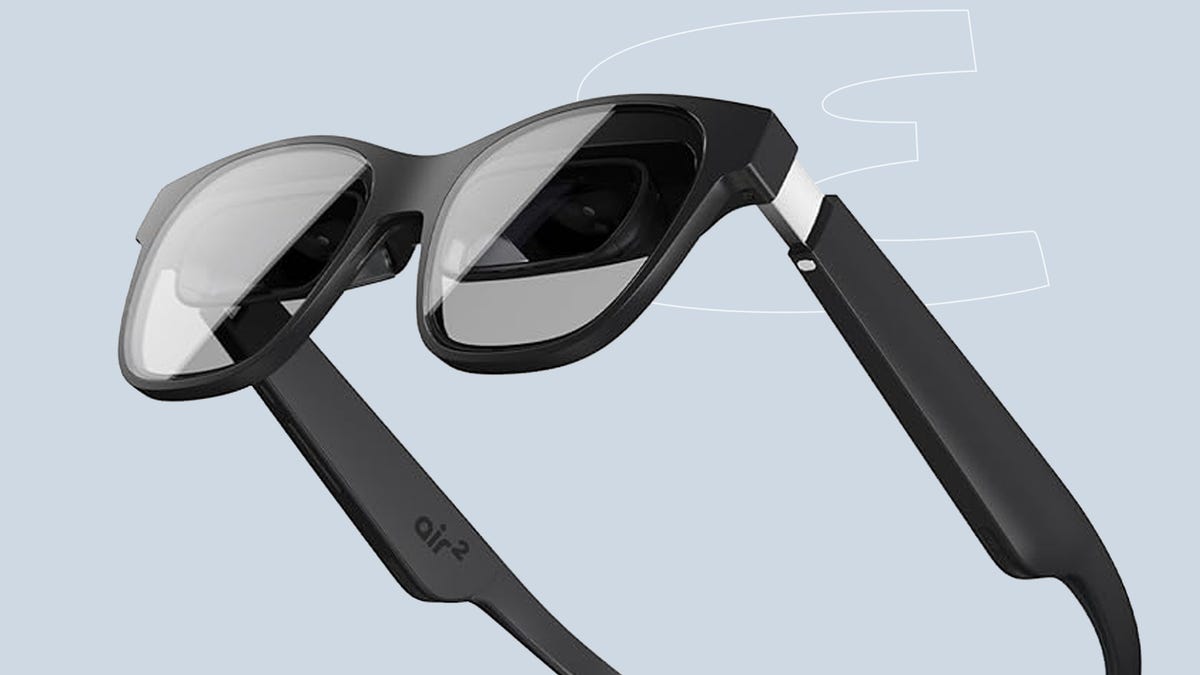
Meta has shown camera-free smart glasses, while other companies are exploring approaches that give users greater control over when devices record or process information.
OpenAI CEO Sam Altman has also discussed processing data locally rather than continuously sending information to the cloud as one possible approach to improving user trust.
Governments are also beginning to examine the issue. Australia, for example, is considering whether camera-equipped smart glasses should be prohibited in government workplaces because of privacy and security concerns.
The challenge for the industry is becoming clearer: making wearable AI useful is only one part of the equation.
People also need to know when they are being recorded, what happens to the information captured and who can access it.
For smart glasses to become an everyday technology, the conversation may ultimately be about more than what the devices can do.
It will also be about what people are comfortable allowing them to see.
By Victory Bernard (Managing Editor, BizTech Echoes)

news via inbox
Get the latest updates delivered straight to your inbox. Subscribe now!