
Chinese Autonomous Vehicle Companies Prepare Alternatives to Nvidia Chips
Chinese autonomous vehicle companies are increasingly turning to locally developed semiconductor technology as they prepare for possible restrictions on access to Nvidia’s advanced chips.
The move is part of a broader effort to reduce dependence on foreign technology suppliers and strengthen China’s domestic artificial intelligence industry.
The development follows the resignation of Nvidia chief executive Jensen Huang, which has raised questions about the company’s future business relationships and the possibility of stricter restrictions on semiconductor exports to China.
Pony.ai, a Chinese autonomous driving company, is among the businesses preparing alternative arrangements. Its chief financial officer, Leo Wang, told TechCrunch that access to computing resources remains a major challenge for the industry because demand is currently higher than available supply.
The company is responding by improving the efficiency of its AI training systems and exploring the use of domestically manufactured chips.
Although these alternatives may not yet offer the same cost efficiency as Nvidia’s products, they provide another option for companies developing autonomous driving technology.
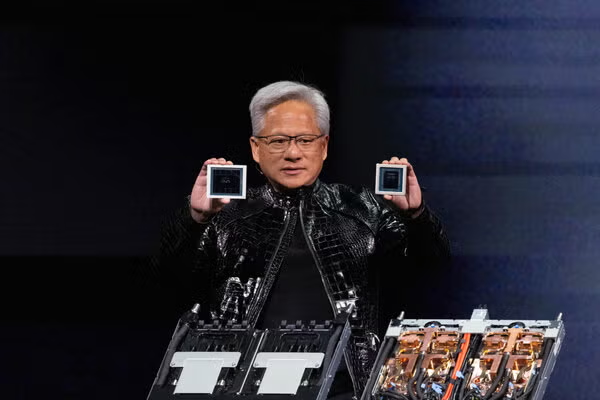
Nvidia remains an important supplier to the self-driving vehicle industry. Its processors are used by several companies to train artificial intelligence models and operate automated driving systems.
A disruption to its supply could therefore affect businesses that depend heavily on its computing infrastructure.
Chinese technology companies have been preparing for this possibility for several years.
Their growing interest in domestic semiconductor alternatives could accelerate investment in local chip development and gradually reduce the industry’s reliance on overseas suppliers.
Source: TechCrunch

news via inbox
Get the latest updates delivered straight to your inbox. Subscribe now!