
Zimbabwe Proposes Constitutional Overhaul to Extend Presidential Power
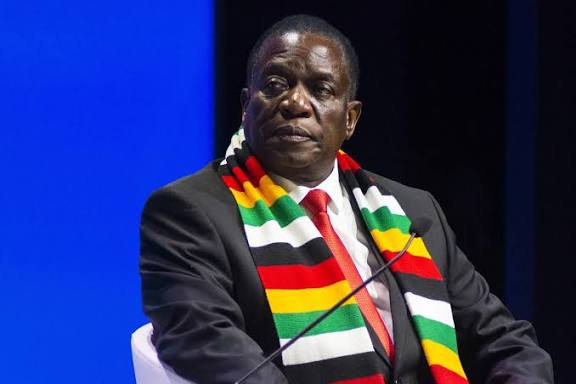
The Zimbabwean government has moved to introduce a controversial bill that would extend the presidential term from five years to seven, potentially keeping President Emmerson Mnangagwa in power until 2030.
Justice Minister Ziyambi Ziyambi announced that the legislation will soon be published in the official gazette for parliamentary discussion. If passed, the bill would also shift the presidential election process from a public vote to a selection made by Parliament.
This legislative push coincides with an intensifying succession battle within the governing ZANU-PF party.
Although President Mnangagwa publicly supported the two-term constitutional limit as recently as late 2024, the new bill suggests a significant departure from that stance.
The proposed changes would effectively bypass the current 2028 term limit, allowing the 82-year-old leader to consolidate his authority amidst internal party friction.
The move has drawn sharp criticism from opposition leaders, who already challenged the legitimacy of the 2023 election results.
During that cycle, Mnangagwa secured 52.6% of the vote, but foreign observers noted that the process fell short of international democratic norms.
Critics argue that removing the public vote for the presidency would further erode the democratic rights of Zimbabwean citizens.
Mnangagwa first took office in 2017 following a military-assisted transition that ended the 40-year reign of Robert Mugabe.
While his initial rise was framed as a “new dispensation,” the current drive for constitutional amendments has raised international concerns regarding a return to indefinite rule.
Parliament is expected to begin formal discussions on the resolution in the coming weeks.
SOURCE: BUSINESS INSIDER AFRICA

news via inbox
Get the latest updates delivered straight to your inbox. Subscribe now!