U.S.–Taiwan Trade Deal Effects on Forex Seen Manageable
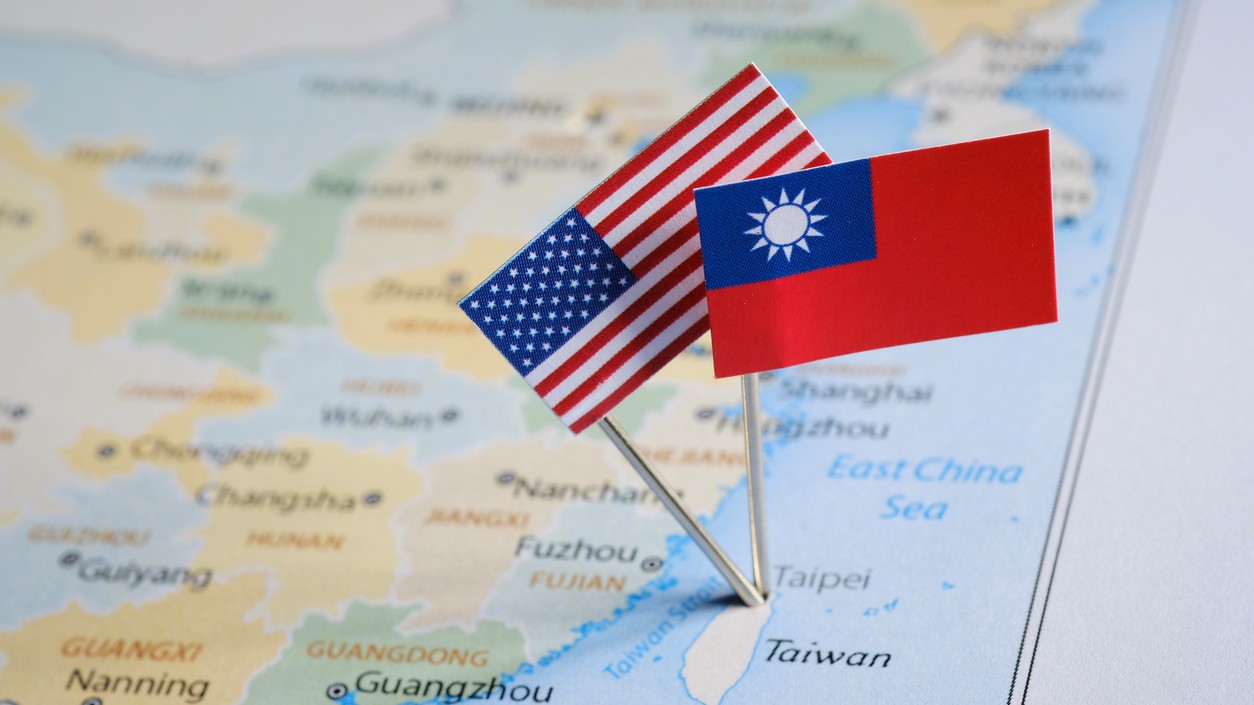
Central bank officials said on Saturday that the recent trade and tariff agreement between the United States and Taiwan is expected to have a limited impact on foreign exchange markets, suggesting that currency volatility driven by the pact will stay within manageable ranges. Taiwanese monetary authorities noted that while shifts in trade policy could affect capital flows and export volumes, current data does not indicate abrupt FX swings tied to the deal.
Analysts say that a gradual adjustment in forex markets would allow businesses and investors to recalibrate without sudden destabilising moves. The comments came as regional markets absorbed global narratives around trade, earnings, and geopolitical developments. Traders in Taipei and other Asian financial hubs noted that currency behaviour remained orderly amid balanced economic signals.
Emerging Asian currencies broadly reflected stable trading, with the Taiwan dollar holding ground against major peers. Some volatility was seen on thin holiday liquidity, but no major dislocations emerged. FX market participants continue to watch policy actions by major central banks as key drivers of currency direction.
Economists said that while trade deals can influence longer-term currency trends, immediate responses are often tempered by broader macroeconomic fundamentals such as growth differentials and interest rate expectations.
Global firms operating in multiple markets are adjusting hedging and risk strategies in anticipation of gradual shifts in trade patterns and capital flows, even as policy negotiators emphasise measured implementation of agreements.
Looking ahead, markets will monitor how the U.S.–Taiwan pact affects investment sentiment and cross-border supply chains, with FX trends providing an important barometer of broader economic confident.
Source: Reuters.

news via inbox
Get the latest updates delivered straight to your inbox. Subscribe now!