SEC Urges African Leaders to Adopt Islamic Financing
The Securities and Exchange Commission (SEC) has made a significant call to action, urging African countries to embrace Islamic financing as a crucial catalyst for achieving sustainable and inclusive economic growth across the continent.
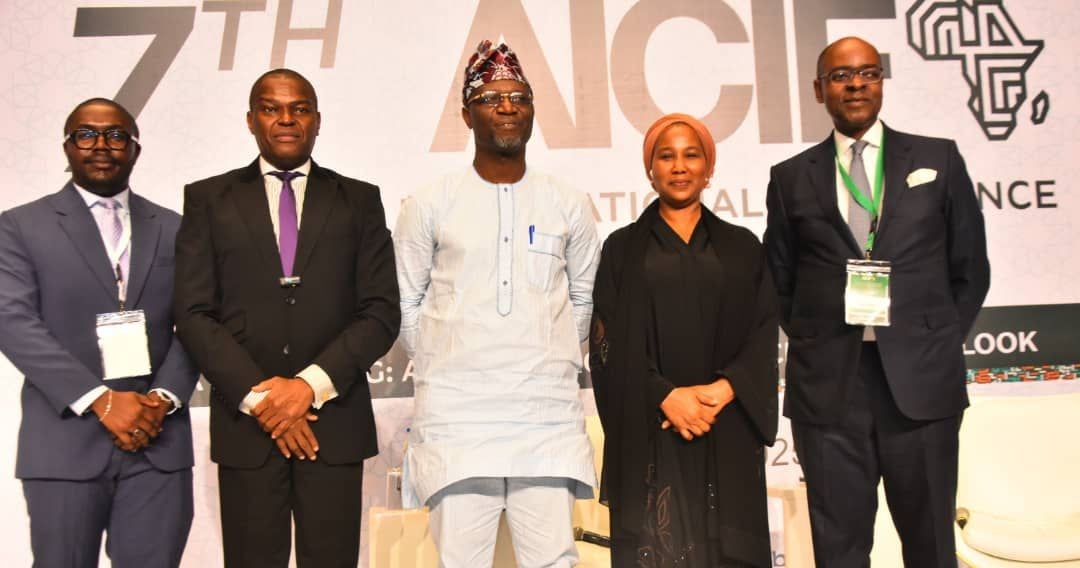
Emomotimi Agama, the Director-General of SEC, made this plea at the 7th African International Conference on Islamic Finance (AICIF), emphasizing that policymakers have a responsibility to ensure economic growth translates into tangible improvements in citizens’ lives.
He views Islamic finance, which is founded on principles like asset-backing, risk-sharing, and ethical investment, as perfectly aligned with Africa’s pursuit of long-term sustainable development.
Agama highlighted that Islamic capital market products, such as Sukuk (Islamic bonds), Islamic mutual funds, and Sharia-compliant equities, are a globally established segment, accounting for approximately 30 percent of total Islamic finance assets, which reached $3.88 trillion in 2024.
He pointed to successful milestones across Africa, including South Africa’s $500 million sovereign Sukuk and similar issuances by Egypt and Kenya, demonstrating the viability of this financing model.
In Nigeria, the sovereign Sukuk programme has been instrumental, generating over N1.4 trillion since 2017 to fund the construction and rehabilitation of key roads across the country.
The SEC DG stressed that a truly prosperous and inclusive Africa must direct investments toward vital infrastructure (roads, energy, digital systems) and guarantee equal access to opportunities for all citizens.
He disclosed that the total value of Nigeria’s non-interest capital market now exceeds N1.6 trillion and reaffirmed the SEC’s commitment to supporting innovation in this segment under the new Investments and Securities Act (ISA) 2025.
However, conference chair Ummahani Ahmad Amin noted that Africa still lags in leveraging Islamic finance to close its estimated $130–$170 billion annual infrastructure gap, urging policymakers to tackle challenges like weak market systems and low investor awareness.
Source : The Cable

news via inbox
Get the latest updates delivered straight to your inbox. Subscribe now!