Russia’s Pipeline Gas Exports to Europe Plunge to Lowest in Decades
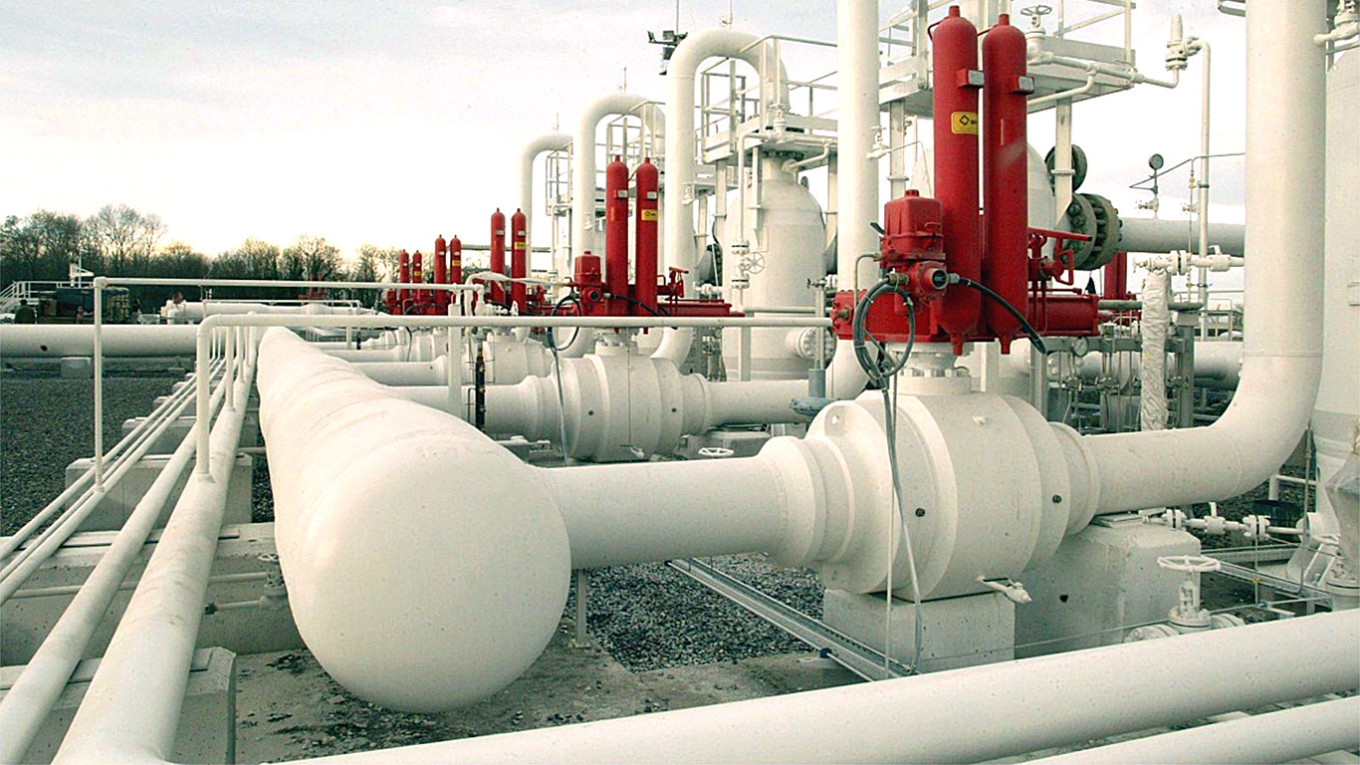
Russia’s pipeline gas exports to Europe fell 44% in 2025, hitting their lowest level since the mid-1970s, as Ukraine war disruptions persisted and the European Union accelerated plans to phase out Russian fossil fuel imports, Reuters calculations showed on Tuesday. The sharp decline reflects the closure of key transit routes, including those through Ukraine, and shifting European energy strategies away from reliance on Russian supplies. Europe’s import diversification and renewable energy adoption have reduced dependency, even as geopolitical tensions reshape regional energy flows. The steep fall in exports is likely to influence gas prices and energy security discussions as European countries brace for winter demand and look toward expanding LNG capacity. How this trend affects global markets will depend on LNG pricing, alternative supply sources, and resilience of Europe’s energy infrastructure.
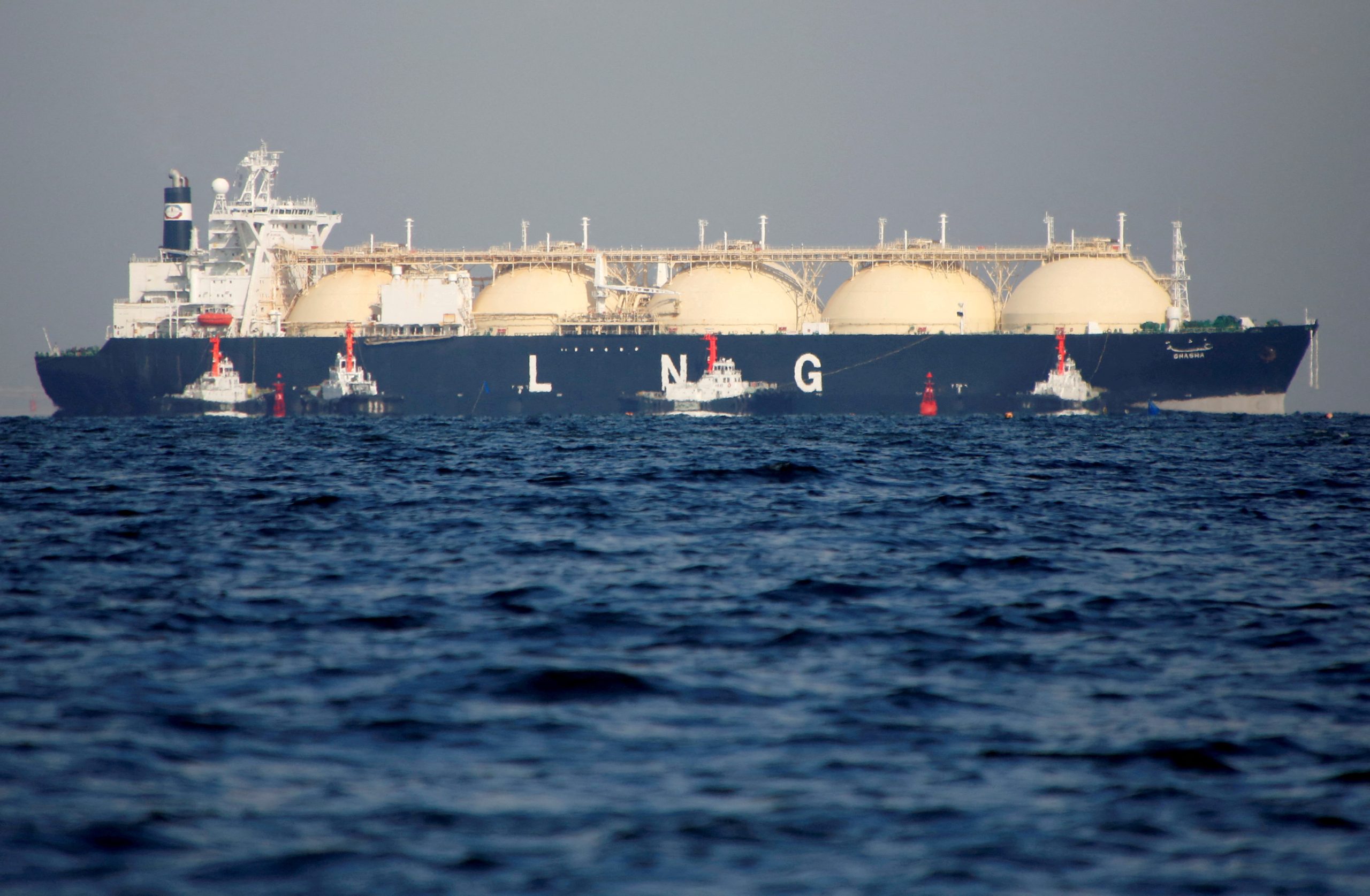
The drop in pipeline supplies has significant implications for European energy markets, with many utilities turning to alternative suppliers and LNG imports to cover shortfalls. Countries in Western and Eastern Europe have accelerated LNG terminal buildouts and renegotiated contracts with Middle Eastern and African producers to ensure reliable deliveries. The transition has also spurred investments in storage capacity and demand-side management — crucial for winter seasons and future resiliency planning.
Energy analysts say the structural shift in Europe’s sourcing strategy may alter long-term pricing dynamics, particularly as pipeline volumes — traditionally cheaper than LNG — become less prominent. Higher LNG dependency could introduce more volatility in energy markets, linking prices to shipping costs and broader commodity cycles. The shift also underscores how geopolitical frictions can accelerate energy diversification efforts and infrastructure investments.
The Russian energy sector may face revenue pressures as traditional export routes diminish, prompting state energy firms to seek markets in Asia and the Middle East. Moscow’s strategies may include renegotiating long-term contracts or adjusting pricing models to incentivise alternative buyers, though competition from established LNG exporters remains stiff.
European policymakers have welcomed the reduced reliance on Russian pipeline gas, framing it as progress toward energy autonomy and climate commitments. However, they also warn that infrastructure development and diversification efforts require continued investment to prevent shortfalls and price shocks in future winters.
Source: Reuters.

news via inbox
Get the latest updates delivered straight to your inbox. Subscribe now!