Namibia Takes Control of China-Aided Satellite Station, Boosting Space Ambition
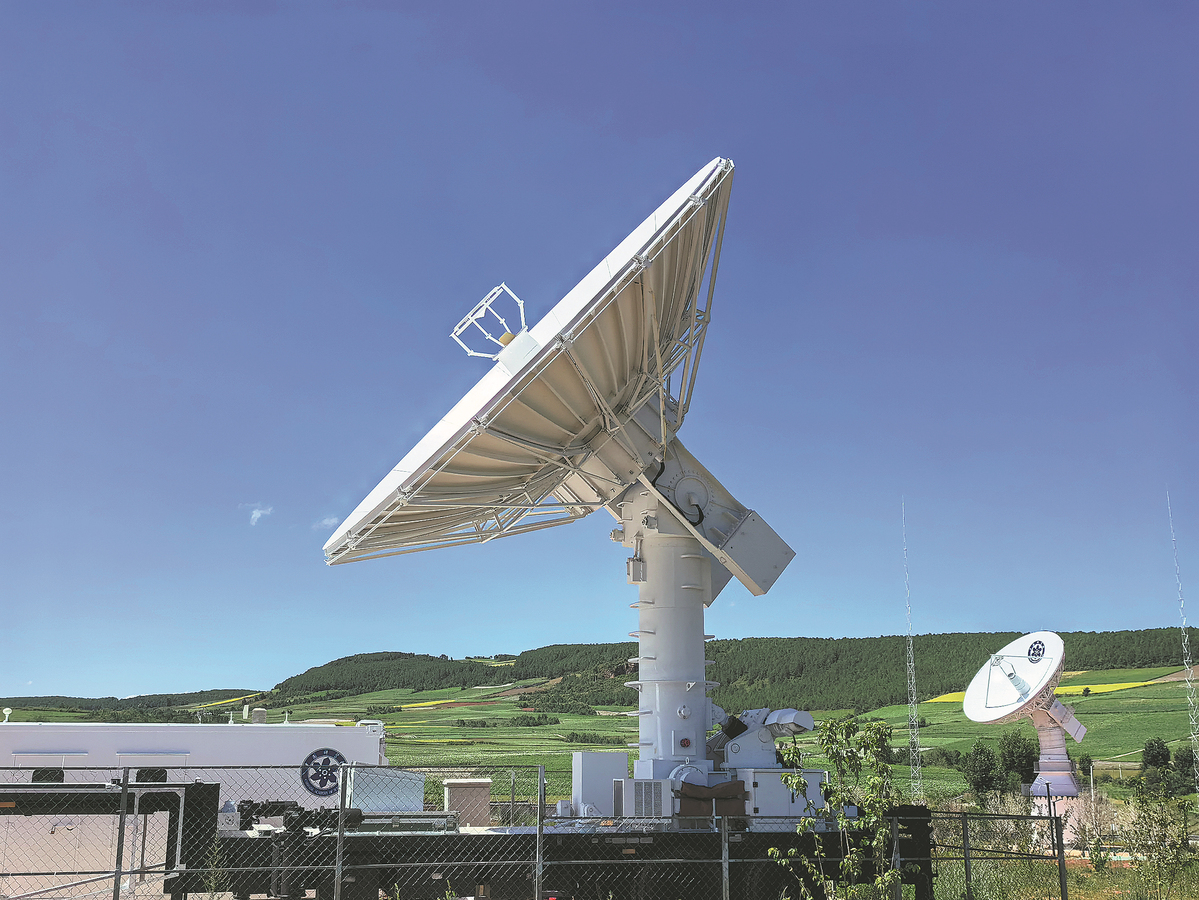
Namibia has officially taken control of the China-Aided Satellite Ground Data Receiving Station (SGDRS), marking the completion of Phase 1 of a historic bilateral project aimed at significantly strengthening the nation’s indigenous technology and research abilities. The handover and takeover ceremony, held on November 20, 2025, involved the signing of official documents by senior representatives, including Dr. Lisho Mundia from Namibia’s Ministry of Education and Ambassador Zhao Weiping of China. This milestone reflects Namibia’s growing commitment to increasing its footprint in space technology and improving its ability to receive, process, and use vital satellite data.
The SGDRS is designed to be an invaluable asset for various national priorities. Once fully functional, the station will supply crucial remote sensing data to support better management of natural resources, increased agricultural productivity, disaster risk reduction, and strategies for climate change adaptation and mitigation. Furthermore, the satellite data is expected to be vital for anti-poaching initiatives, supporting sectoral offices, ministries, and agencies across the Southern African country. The project’s first phase, which began in 2023, delivered the tracking and data receiving station, a comprehensive data processing system, and the necessary training for Namibian technicians.
The completion of this project is underpinned by Namibia’s broader and accelerating space ambition. In August 2025, the country authorized the drafting of a historic Space Science and Technology Bill. Unveiled by Minister Emma Theofelus, the bill is intended to establish a well-organized legal framework to control and drive the country’s space sector and align its activities with broader socioeconomic growth goals. Additionally, the second National Space Science Council, composed of experts in astronomy, law, and engineering, was established in March 2024 to provide technical and advisory support until March 2027.
By securing the SGDRS, Namibia transitions from being a passive consumer of space-based data to an active participant, capable of generating its own actionable intelligence. The Chinese partnership provides a crucial technological foundation, enabling the government to leverage space-based applications to address fundamental national challenges. This proactive approach to space technology signals a clear intent to invest in high-tech infrastructure that will drive innovation and informed decision-making across the country.
SOURCE : BUSINESS INSIDER AFRICA

news via inbox
Get the latest updates delivered straight to your inbox. Subscribe now!