Most Gulf Stock Markets Fall on Weaker Oil Prices During Holiday Trading
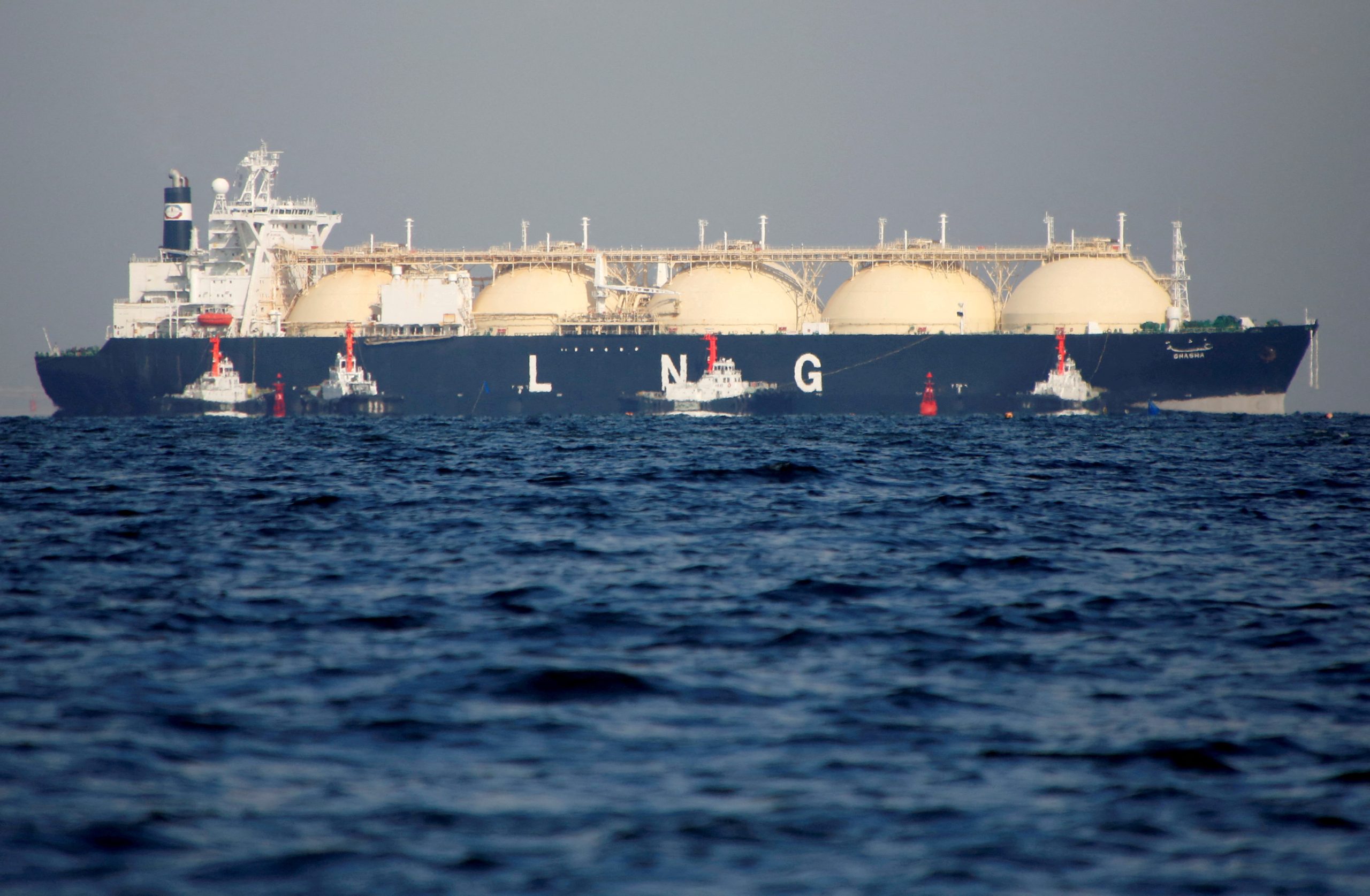
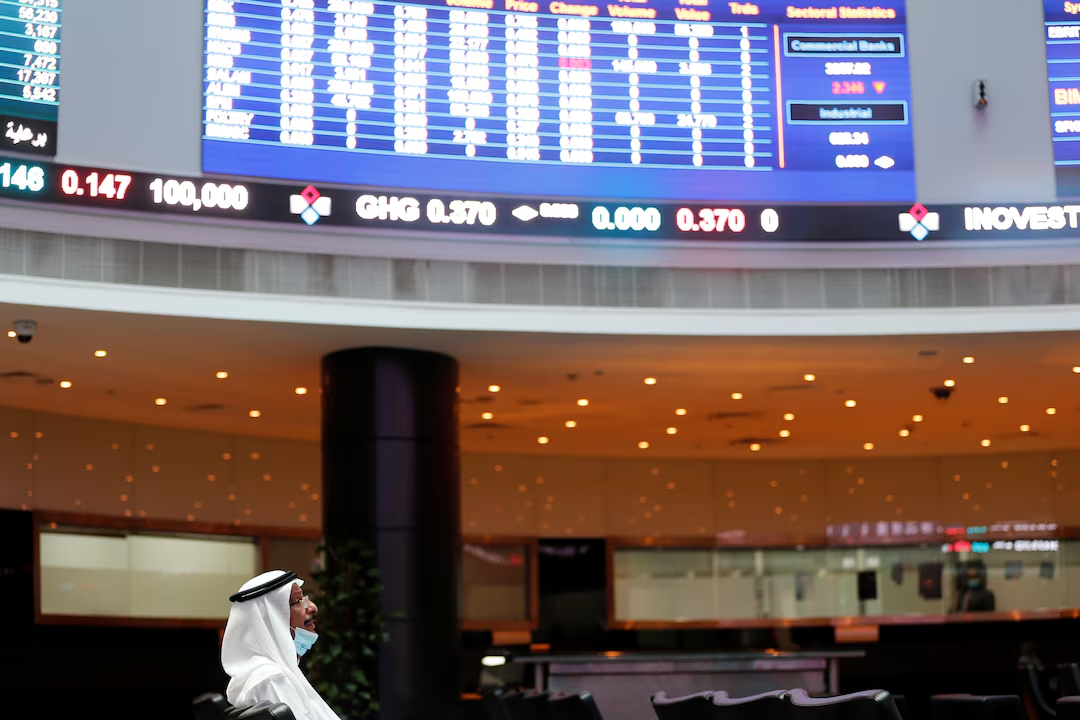
Major Gulf stock markets fell on Thursday, weighed down by softer crude oil prices and extremely thin trading volumes due to the Christmas holiday, according to Reuters reporting today. Indices in Saudi Arabia, the UAE and Qatar all declined, with Saudi Aramco and other energy-linked stocks among the laggards as benchmark oil prices settled lower and traders stayed on the sidelines. The weak performance reflects a key driver of regional markets — crude prices — which have been on course for their worst annual performance since 2020 amid mixed global demand signals and persistent oversupply. Gulf market participants also cited low foreign investor participation as a factor, given closed or reduced holiday trading hours across much of the region. Analysts note that subdued year-end sentiment, combined with fundamental price pressure on oil exporters, contributes to cautious positioning among domestic and international investors.
In detail, Saudi Arabia’s Tadawul index slipped while Dubai and Abu Dhabi exchanges also finished in negative territory, with finance, real-estate and banking sectors similarly affected alongside energy stocks. Qatar’s main index eased as regional cross-border flows remained light and prices of petroleum products exerted downward influence. This slowdown comes even as geopolitical risks continue to create episodic support for energy prices, underlining the complex interplay between physical markets and investor sentiment. While Gulf economies have diversified budgets over the last decade, oil revenues still play an outsized role in market valuations and fiscal planning.
Oil markets themselves showed mixed signals around year-end but leaned slightly lower overall, pressured by weak demand forecasts in key consumer economies and persistent inventory levels. Brent crude and U.S. West Texas Intermediate have seen range-bound trading — buoyed occasionally by geopolitical risk premiums but capped by global macro uncertainties. Traders point to ongoing concerns about slow growth in major economies and potential supply increases as reasons for the lack of strong upside in energy prices. This environment tends to mute enthusiasm across energy-dependent equities in regions such as the Gulf.
Despite current weakness, some analysts say the recent price dynamics could set the stage for renewed volatility in early 2026, especially as OPEC+ policy discussions and global economic data releases unfold. Should crude prices recover on tighter supply or refreshed demand data, Gulf markets could see an uptick in investor interest. However, given that many trading desks remain closed or understaffed over the Christmas period, significant moves may wait until full market participation resumes.
For Gulf policymakers and business leaders, the current trend underscores the ongoing need to accelerate non-oil economic diversification and strengthen local capital markets’ resilience to external shocks. Structural reforms, sovereign investment strategies and liquidity-enhancing measures may play greater roles in 2026 as regional economies adjust to a new energy price regime.
Source: Reuters.

news via inbox
Get the latest updates delivered straight to your inbox. Subscribe now!