Eurogroup Business Recovery Slows Sharply in Euro-Zone as Manufacturing Contract
The euro-zone’s business recovery slowed significantly in November, with the composite Purchasing-Managers’ Index (PMI) dropping to 50.8 from 52.2 in October—well below expectations of 52.5.
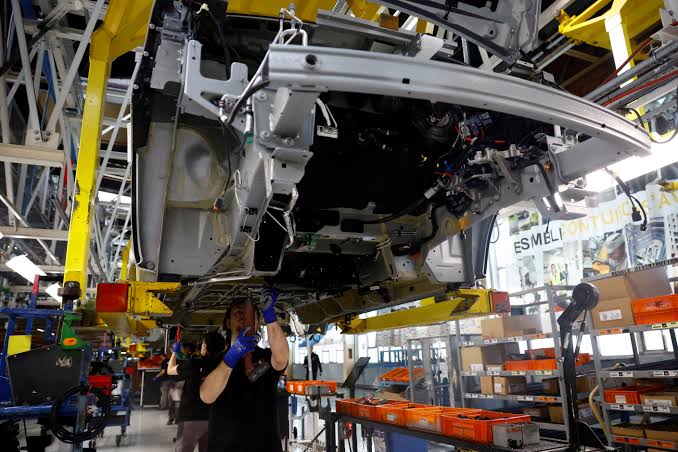
The contraction in the manufacturing sector was stark: the PMI fell to 45.6, the lowest in six months, signalling job cuts and reduced output among factories.
The services sector held up slightly but showed signs of fatigue as demand softened and cost pressures mounted.
The downturn hurts confidence across euro-zone corporates, particularly those exposed to global goods markets and industrial cycles.
Germany’s auto and machinery sectors reported weaker order books, while France’s services firms flagged growing price sensitivity among consumers ahead of parliamentary elections.
Analysts warn that without firmer domestic demand or growth stimulus, the region could drift toward stagnation.
For investors, the slowdown raises questions about earnings growth and credit-cycle resilience in the euro-block.
Monetary-policy implications are also evident: the weak PMI data could complicate the European Central Bank’s path for rate cuts, as it balances growth support vs inflation control. Some economies may require tailored responses rather than broad policy moves.
The result underscores divergence within the euro-area: northern exporters face external demand decline, southern economies continue to struggle with structural drag. The uniform policy setting may be increasingly challenged.
Companies with high fixed-cost structures or heavy exposure to exports are likely to face margin compression and investment delays. Many firms are now reinspecting supply chains, expecting reduced growth trajectories.
For global investors, the euro-zone may shift from “catch-up” to “cycle laggard” status—impacting portfolio allocation decisions. The corporate credit market may become more selective.
In summary, the euro-zone’s slowing business activity adds urgency to the need for structural reforms and strategic investment in productivity and domestic demand.
For global business audiences, the message is clear: Europe’s recovery is far from assured—and risks may be higher than anticipated.
Source: Reuters.

news via inbox
Get the latest updates delivered straight to your inbox. Subscribe now!