China to Boost Exports and Imports in 2026, Seeks “Sustainable” Trade Growth
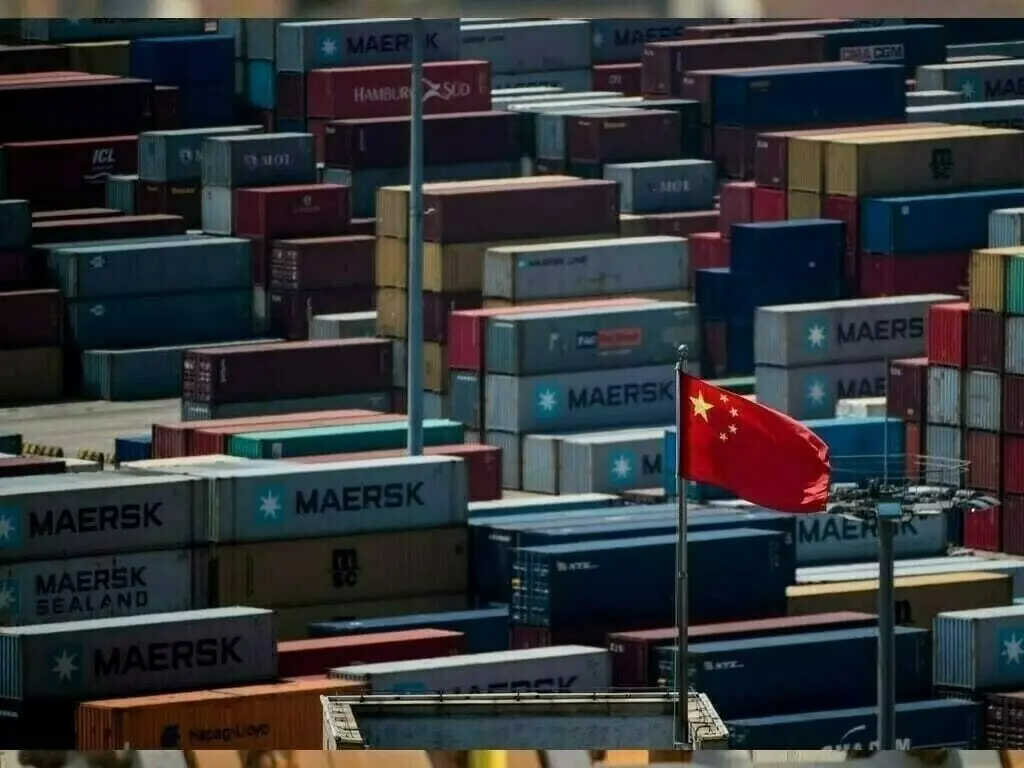
China’s top economic leadership announced plans to expand both exports and imports in 2026 as part of a strategy to build more “sustainable” trade dynamics, outlining what the policy direction is, who will lead the efforts, where the emphasis is shifting, why this pivot matters, and how it ties into broader economic challenges. The remarks, made by Han Wenxiu of the Central Financial and Economic Affairs Commission, signal Beijing’s intent to rebalance its export-heavy model toward broader engagement with global markets and domestic demand.
Officials acknowledged international criticism of China’s large trade surplus and the economic imbalances that can result, noting that critics argue the export-led model places stress on global trade relationships and contributes to geopolitical tensions. Han emphasised the need to improve service exports, enhance household incomes and remove barriers to consumer markets to deepen mutually beneficial cooperation with trading partners.
To support the strategy, the leadership plans targeted fiscal measures, social safety enhancements like expanded pensions, and efforts to boost private consumption alongside investment — all aimed at making the trade engine less dependent on sheer volume of goods exports. Economists say this shift could ease pressure on global supply chains and reduce friction with major partners, even as China retains its edge as a manufacturing powerhouse.
The move also dovetails with calls from global institutions like the IMF for China to rebalance growth by stimulating domestic demand and reducing reliance on production for external markets — a structural adjustment long discussed but challenging to implement. Domestic consumers have less weight in GDP growth compared with exports, so boosting incomes and consumption is seen as key to long-term resilience.
However, analysts caution that expanding imports while sustaining export growth may take time, especially in sectors where China competes directly with trading partners. If successful, the policy could reshape regional trade dynamics while mitigating some of the trade tensions that have marked global commerce in recent years.
Source: Reuters.

news via inbox
Get the latest updates delivered straight to your inbox. Subscribe now!