
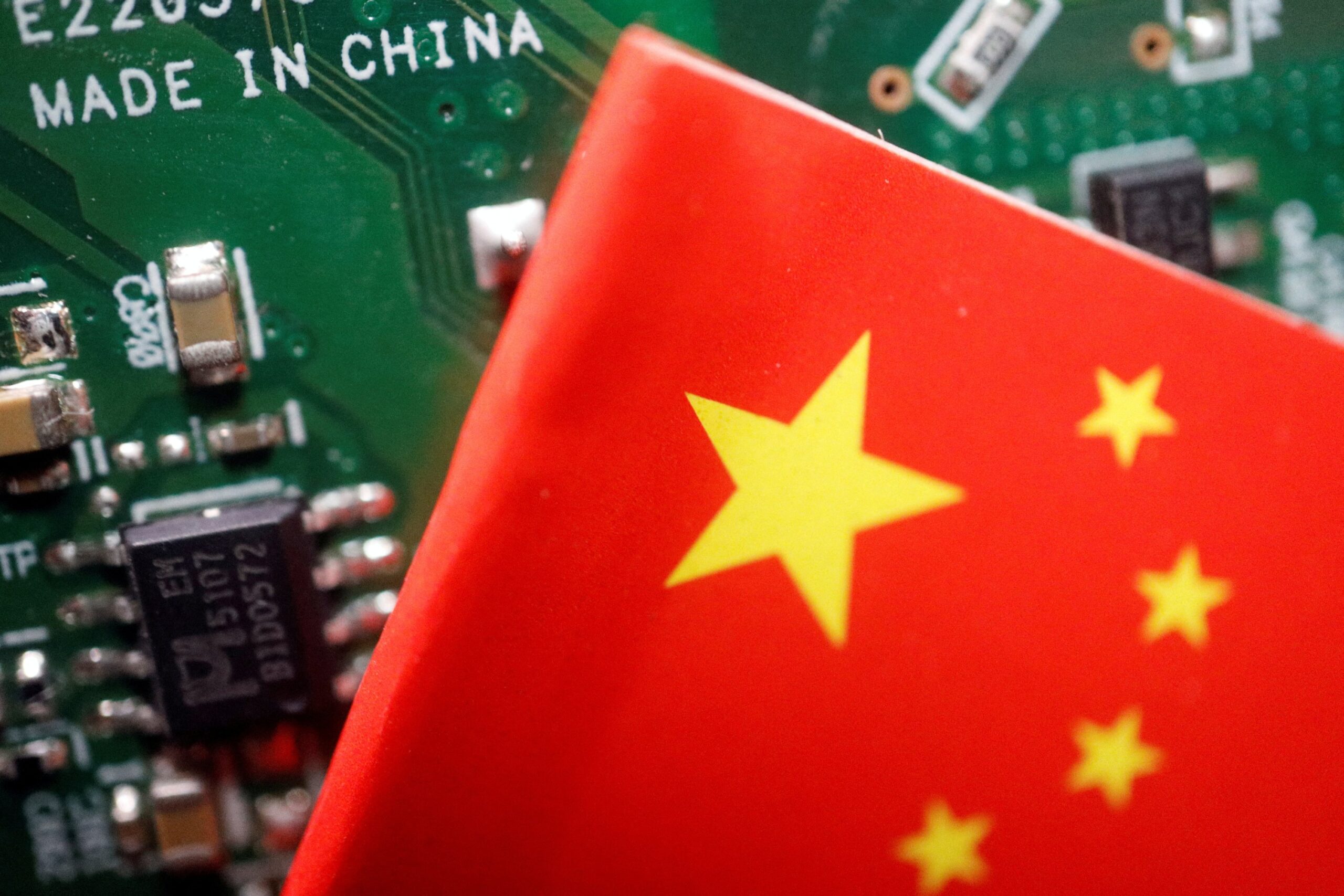
China Mandates 50% Domestic Equipment Rule for Semiconductor Expansion
China announced on Tuesday that chipmakers adding new production capacity must use at least 50% domestically made equipment, a major policy shift aimed at bolstering the country’s semiconductor self-sufficiency and reducing reliance on foreign suppliers. The requirement, confirmed by sources familiar with the plan, is part of Beijing’s broader strategy to strengthen domestic technology supply chains and mitigate vulnerability to export controls and geopolitical tensions. This rule is expected to significantly influence how global and local chip firms plan future investments, particularly for advanced logic and memory manufacturing facilities. China’s push for self-reliance reflects long-standing concerns about dependency on imported equipment and aims to create a more resilient domestic ecosystem amid global tech competition. The new requirement may also shape negotiations and supply agreements ahead of anticipated policy moves by the United States and its allies concerning semiconductor trade controls.
The 50% domestic equipment threshold is likely to accelerate R&D investment within China’s burgeoning equipment-making sector, potentially unlocking incentives for local developers of lithography, etching and inspection tools. However, industry analysts warn that achieving parity with foreign incumbents — especially in the most advanced fabrication technologies — remains a technical and financial challenge. Foreign chip firms operating in China will need to balance compliance with this mandate while maintaining competitive performance and cost efficiency, a dynamic that could lead to shifts in global supply chains. The rule also comes amidst broader geopolitical competition in semiconductors, where countries are increasingly using industrial policy to support domestic champions. The potential for trade frictions or reciprocal policy responses could rise as a result.
China’s semiconductor ambitions have already led to significant state support and funding for local champions, but the new equipment rule underscores that policy will now extend directly into capital expenditures and factory buildouts. This change could stimulate additional local production capability, making China a more integrated participant in global electronics manufacturing. At the same time, foreign vendors of semiconductor tools — from Europe, Japan and the U.S. — may need to adapt strategies or seek exemptions to stay relevant in the Chinese market. How quickly domestic Chinese equipment providers can scale up to meet the requirement remains a topic of industry debate.
Investors and multinational firms watching the chip industry will interpret the policy as a signal of China’s intent to prioritise technology sovereignty, even if it may introduce near-term inefficiencies or cost premiums. Stocks of equipment suppliers with existing footprints in China could see mixed reactions depending on their ability to pivot or partner with local firms. Regional stock markets — particularly in Asia — may price in these structural shifts as future demand patterns evolve.
For global semiconductor supply chains, the new requirement could accelerate diversification, with firms reallocating capacity and partnerships to align with varying national rules. Countries with significant equipment manufacturing ecosystems may press for reciprocal access or negotiate frameworks to protect intellectual property. As 2026 begins, semiconductor policy will likely remain a central theme in global tech competition and investment decisions.
Source: Reuters.

news via inbox
Get the latest updates delivered straight to your inbox. Subscribe now!