BP to Sell 65% Stake in Castrol Lubricants to Stonepeak for About $6 Billion
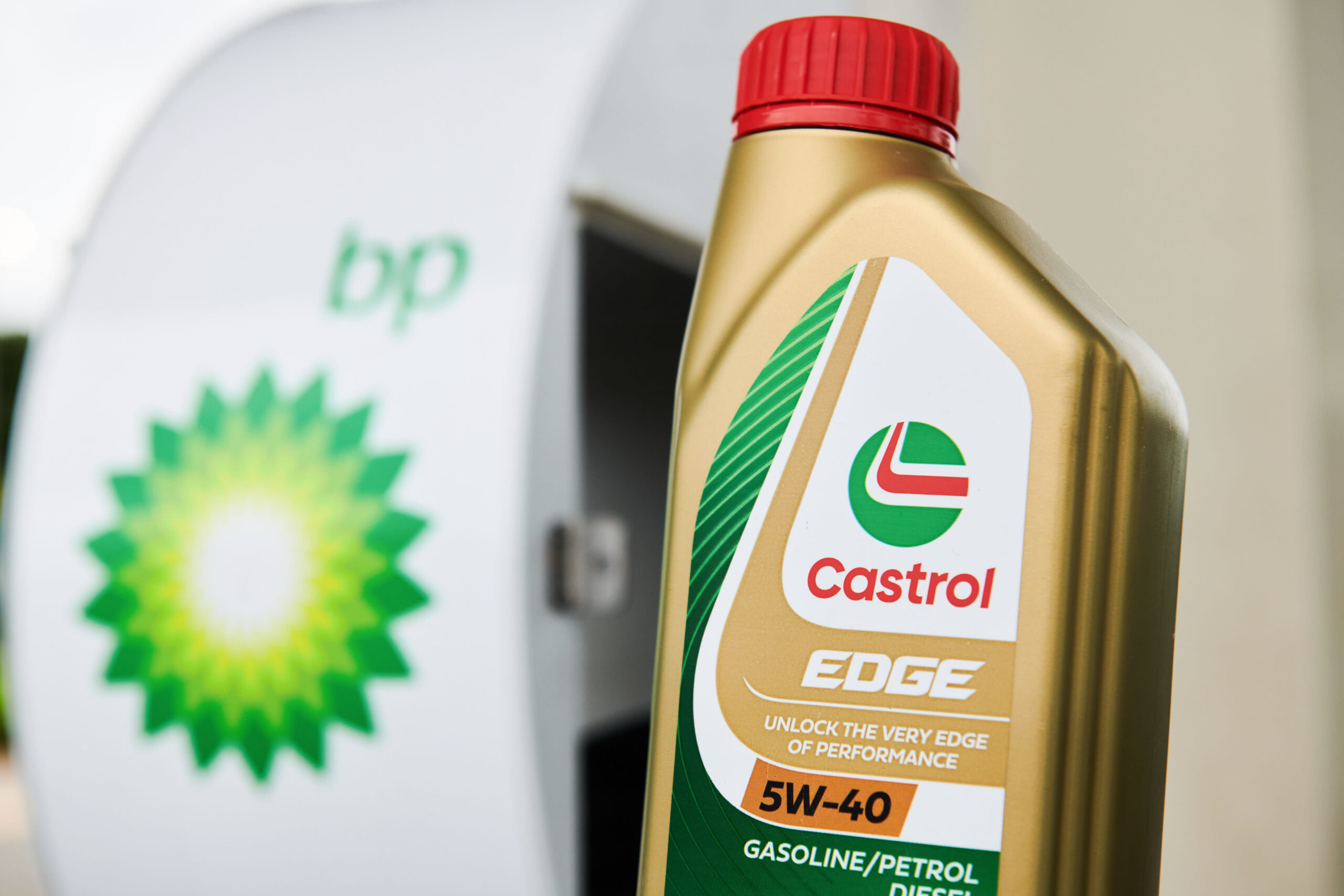
British energy major BP has agreed to sell a 65 % stake in its Castrol lubricants business to U.S. private-equity firm Stonepeak for roughly US $6 billion, part of a wider effort to streamline its portfolio and cut net debt by 2027. The deal — which values Castrol at around $10.1 billion — will see BP retain a 35 % share, with an option to fully exit after a two-year lock-in period, executives said on Thursday. This move comes as BP continues to prioritise its core oil and gas operations, shifting away from non-core assets amid broader industry restructuring. Analysts say the sale will provide BP near-term capital but could pressure future dividend sustainability given Castrol’s strong cash flow history. How the joint venture performs will be closely watched by investors, as Stonepeak and Canada Pension Plan Investment Board also view the acquisition as a stable long-term investment.
BP’s management confirmed that the transaction includes an approximately $800 million accelerated dividend payment, part of the total consideration intended to benefit BP shareholders in the near term. The deal is expected to close by the end of 2026, subject to regulatory approvals in multiple jurisdictions given Castrol’s global footprint. Investors have largely welcomed the clarity on BP’s refocusing strategy, especially as global energy markets adjust to evolving demand patterns and price volatility. This move follows BP’s earlier asset sales and capital returns to shareholders as debt levels have remained a priority since the energy price swings of recent years. Market watchers note that the sale reinforces broader oil-major trends of divesting non-core units in favour of streamlined portfolios.
Stonepeak’s acquisition — backed by the Canada Pension Plan Investment Board — underscores private equity’s growing appetite for stable, cash-generative energy infrastructure and related businesses. Castrol’s lubricant products have long been staple commodities across automotive, industrial and consumer segments, offering predictable recurring revenue. For Stonepeak, the deal represents a significant expansion into energy value-add segments that complement its portfolio of infrastructure assets. The partnership also suggests confidence among institutional investors in demand for energy-associated businesses beyond core oil production. Financial advisers say such deals reflect a broader shift toward diversified energy investments.
However, some analysts caution that divesting a business with strong operational margins could weaken BP’s medium-term earnings base if not offset by growth in its remaining segments. Castrol’s lubricants division has historically generated stable cash flows that helped balance BP’s exposure to commodity price swings. If BP continues to prioritise upstream and traditional energy operations over diversified asset holding, its earnings quality and resilience to market cycles could shift. Investors will be monitoring BP’s forward guidance and capital allocation strategy to see how proceeds from the sale are deployed in 2026.
For global markets, the deal highlights a broader pattern of asset rotation among energy majors and private-equity firms seeking yield and diversification. As BP reduces net debt toward its 2027 target, the success of the Castrol transaction will be an early litmus test for broader portfolio optimisation strategies across the sector. Energy equities could respond to the news as year-end positions are rebalanced and income-focused investors reassess dividend sustainability. Overall, the transaction underscores ongoing transformation in the energy and industrial supply chain landscape heading into 2026.
Source: Reuters

news via inbox
Get the latest updates delivered straight to your inbox. Subscribe now!