AI Teachers, Cybernetics and the Shape of Life in 2050
Over the past 25 years, technology has transformed daily life in ways few could have imagined at the turn of the millennium. From dial-up internet connections and DVD-by-mail services to smartphones and artificial intelligence, the pace of innovation has been relentless.
As advances in AI, robotics, nanotechnology and computing accelerate, experts are now looking ahead to 2050 to anticipate how these developments could further reshape human existence, blurring the boundaries between science fiction and reality.
One major shift expected by mid-century is the increasing integration of humans and machines. Scientists predict that nanotechnology and cybernetics will move beyond laboratories into routine medical and personal use.
By 2050, implants could help monitor health, enhance communication and deliver drugs precisely where needed in the body. Pioneers in cybernetics believe electronic stimulation of the brain could complement or even replace some medications for neurological and psychiatric conditions, marking a significant change in how diseases are treated.
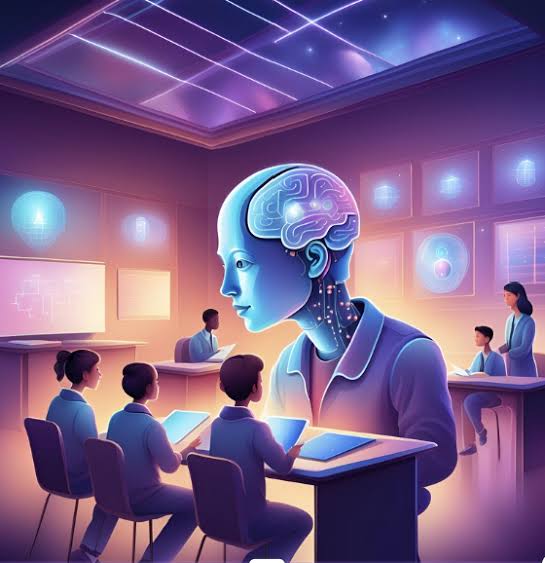
Artificial intelligence is also set to redefine learning, work and decision-making. Futurists foresee education moving away from standard classrooms and textbooks toward immersive simulations guided by AI teachers that adapt in real time to individual students.
Advances in quantum computing could further boost AI’s capabilities, enabling faster scientific discoveries, from drug development to complex problem-solving.
At the same time, “digital twins” — virtual replicas of individuals — may allow people to test medical treatments or lifestyle choices safely before applying them in real life.
Transportation and space exploration are likely to undergo equally dramatic changes. Driverless vehicles could drastically reduce traffic congestion and accidents, while autonomous transport systems may allow for faster and safer travel.
Beyond Earth, experts predict permanent human bases on the Moon and increased industrial activity in space. Some pharmaceutical manufacturing, for example, could shift to orbit, where microgravity conditions allow for higher-quality crystal growth and new forms of medicine production.
While popular culture often paints the future as dystopian, many scientists urge a more balanced view.
Although concerns remain about the risks of unchecked artificial intelligence, history suggests that science has largely improved human life rather than diminished it.
As 2050 approaches, the challenge will be ensuring that these powerful technologies are guided responsibly — so that innovation continues to serve humanity, rather than threaten it.

news via inbox
Get the latest updates delivered straight to your inbox. Subscribe now!