
U.S. Trade Deficit Widens as Import Surge Raises Concerns Over Economic Growth
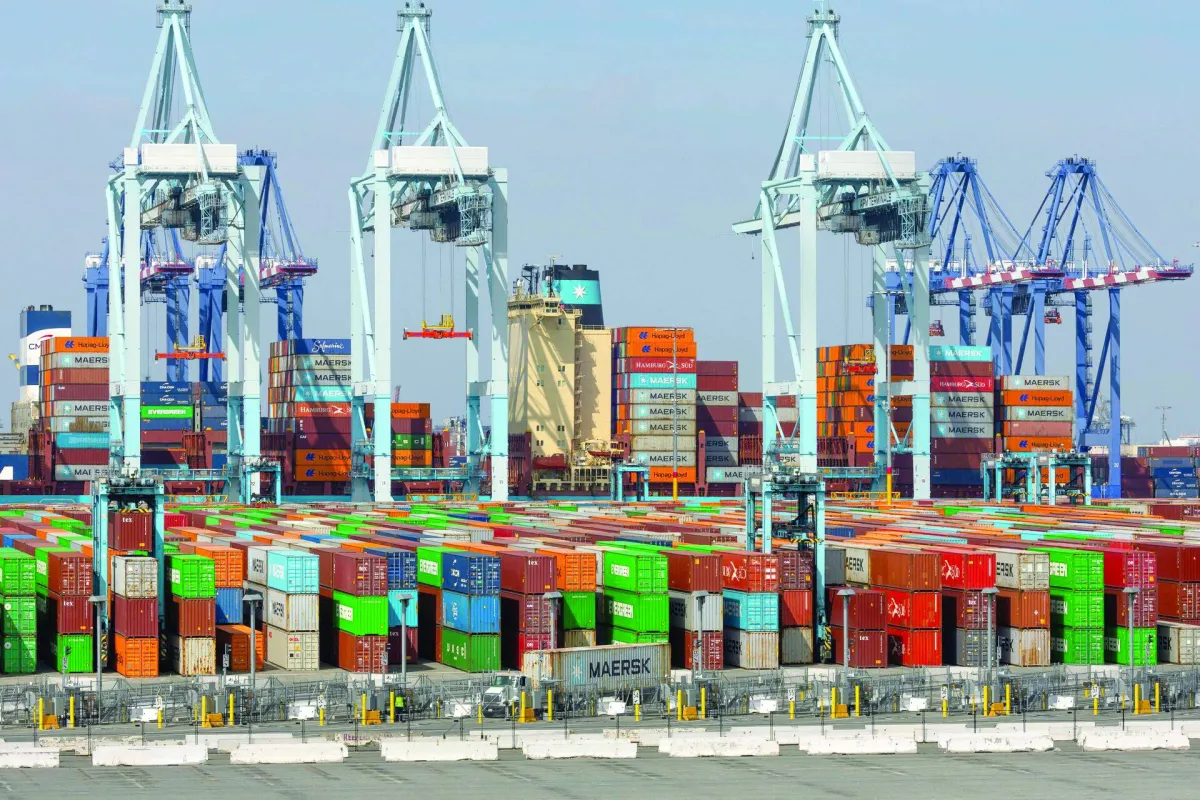
The United States recorded its widest goods trade deficit in more than a year during May, as imports outpaced exports and raised fresh concerns about the pace of economic growth heading into the second half of 2026.
According to newly released government data, American businesses significantly increased imports of consumer goods, industrial supplies and capital equipment, while exports posted only modest gains.
The imbalance pushed the goods trade deficit to its highest level in 14 months, prompting several economists to revise their second-quarter growth forecasts downward.
The latest figures come at a time when the U.S. economy is navigating a complex mix of resilient consumer spending, persistent inflation and uncertainty over future interest rate policy.
Although domestic demand has remained relatively strong, the sharp increase in imports suggests businesses are continuing to replenish inventories and prepare for future demand.
Economists note that while strong imports can indicate confidence among businesses and consumers, they also reduce the contribution of net exports to gross domestic product (GDP).
This means that unless exports accelerate in the coming months, trade could weigh on overall economic growth during the second quarter.
Financial markets reacted cautiously to the data, with investors shifting their attention to the upcoming U.S. employment report, which is expected to provide further insight into the health of the economy.
Analysts say the labour market data will play a crucial role in shaping expectations for future decisions by the U.S. Federal Reserve.
The wider trade gap also comes as policymakers continue discussions on strengthening domestic manufacturing and reducing dependence on imported goods in strategic industries.
Recent investments in semiconductor production, clean energy and advanced manufacturing are part of broader efforts to improve the country’s long-term industrial competitiveness.
Despite the increase in the trade deficit, many economists believe the U.S. economy remains on stable footing. However, they caution that slowing global demand and ongoing geopolitical uncertainties could present additional challenges for exporters in the months ahead.
Businesses across manufacturing, logistics and international trade will be watching upcoming economic data closely as they assess whether the recent import surge represents temporary stock-building or a more sustained trend in global commerce.
Source: Reuters

news via inbox
Get the latest updates delivered straight to your inbox. Subscribe now!