
NASA’s Artemis II Signals Transition to Private Sector Dominance in Space Exploration
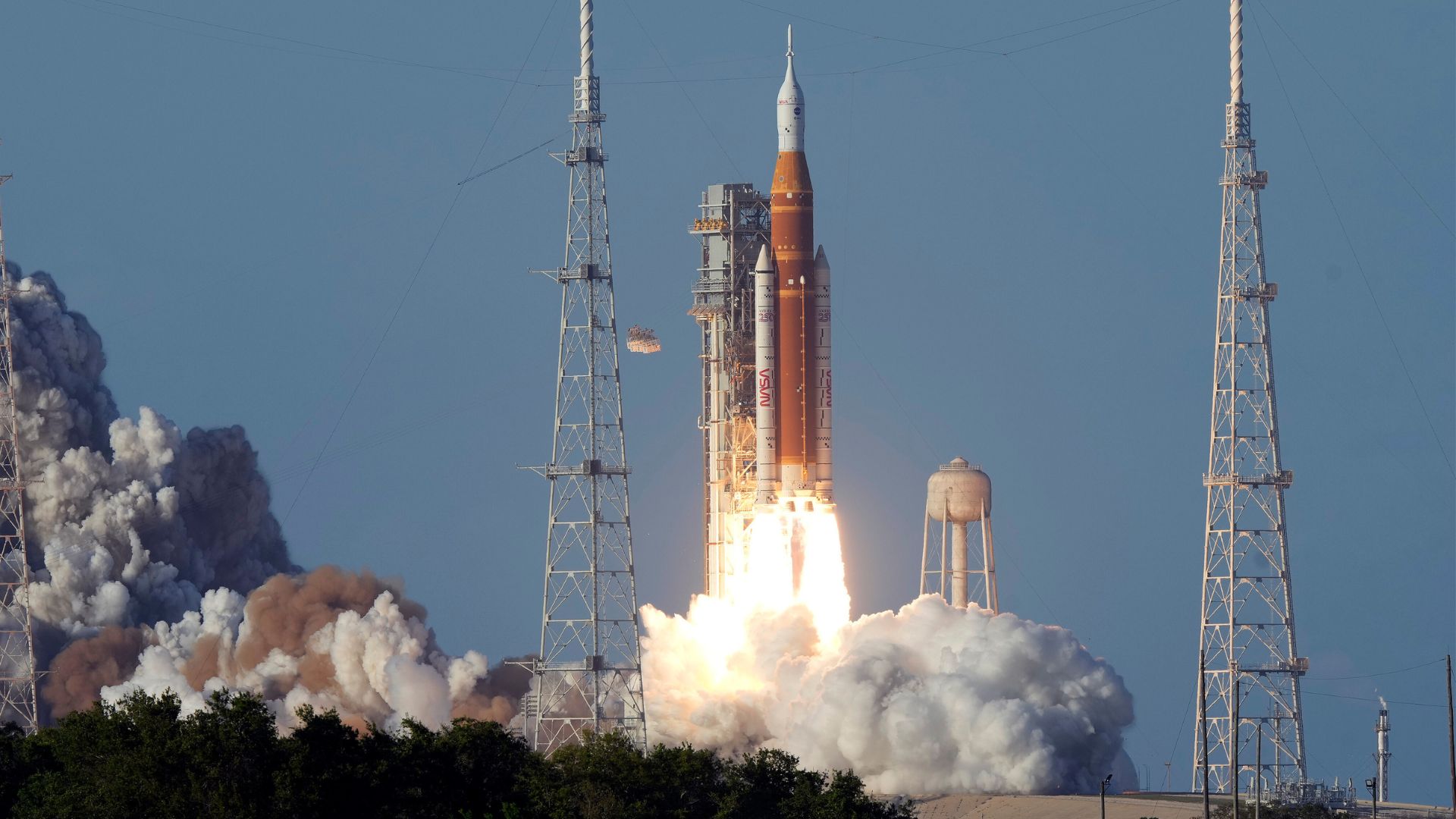
NASA’s Artemis II mission is poised to mark the end of an era, as it is expected to be the final crewed lunar mission conducted without major reliance on private space companies.
The mission, which will send astronauts around the moon, represents a critical milestone in the agency’s long-term strategy to return humans to lunar exploration.
The program’s origins trace back to earlier government-led initiatives that developed the Space Launch System rocket and Orion spacecraft.
Despite their technical achievements, these systems have faced criticism over high costs and delays, especially when compared to the rapid advancements made by private firms in recent years.
Looking ahead, companies such as SpaceX and Blue Origin are set to play a central role in future lunar missions, particularly in developing landing systems capable of transporting astronauts from orbit to the moon’s surface.
NASA has already awarded contracts to these firms, signaling a shift toward a more collaborative model between public and private sectors.
As global competition intensifies, particularly with China’s ambitions to land astronauts on the moon within the next decade, the success of these partnerships will carry both technological and geopolitical significance. Artemis II thus stands as a turning point in how humanity approaches space exploration.
Source: Techcrunch

news via inbox
Get the latest updates delivered straight to your inbox. Subscribe now!