
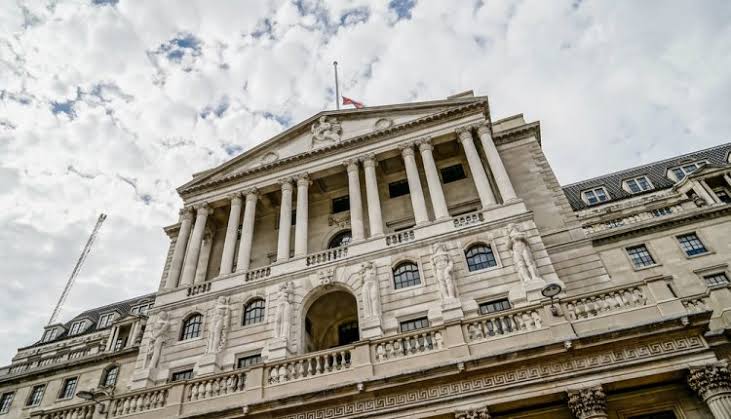
Central Banks Face Pressure from Rising Energy Costs
Central banks around the world are facing growing pressure as rising oil prices threaten to increase inflation.
Policymakers are meeting this week to assess the economic impact of the ongoing energy crisis.
The challenge lies in balancing inflation control with economic growth. Analysts say decisions taken now will shape global markets.
The Reserve Bank of Australia has already raised interest rates in response to inflation concerns. The move reflects a shift in policy direction as energy costs rise globally.
Other major central banks are expected to hold rates steady while monitoring developments. This cautious approach highlights uncertainty in the global economy.
Rising fuel costs are increasing production expenses for businesses across industries. This could lead to higher prices for goods and services, further fueling inflation.
Economists warn that persistent inflation may require tighter monetary policy. Such measures could slow economic growth.
Central banks are also concerned about the impact of geopolitical risks on financial stability. Sudden changes in energy supply can disrupt markets and affect investor confidence.
Policymakers are therefore preparing contingency plans. Coordination between countries may become necessary.
The coming weeks will be critical as central banks respond to evolving conditions.
Investors are closely watching policy signals for clues about future economic direction. The decisions could have lasting effects on global markets.
Source: Reuters

news via inbox
Get the latest updates delivered straight to your inbox. Subscribe now!