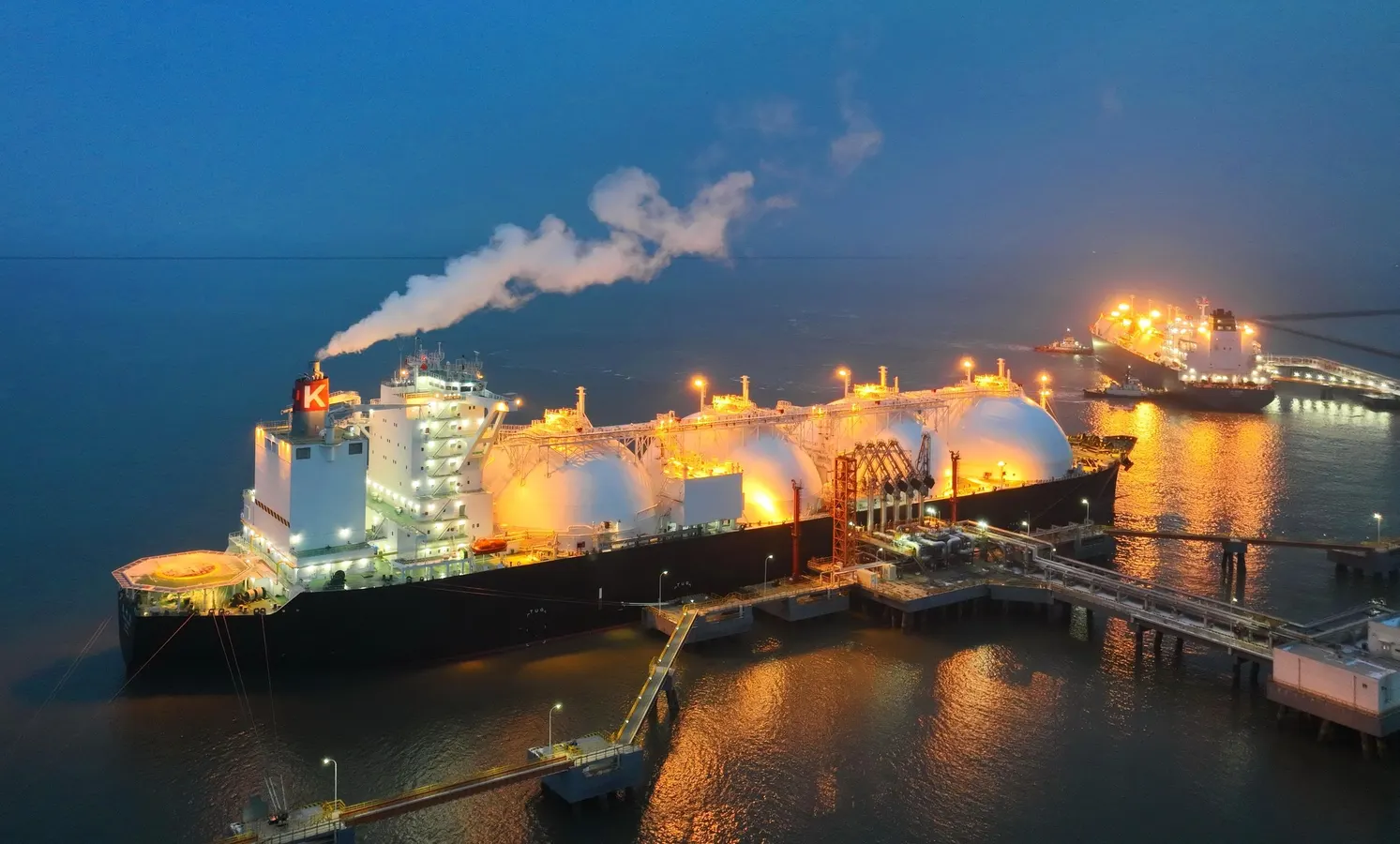

Oil Market Faces Severe Disruption Risk
Energy markets remain under intense pressure as disruptions in the Strait of Hormuz threaten global oil supplies. The vital shipping corridor normally carries a large share of the world’s crude exports.
Industry leaders warn that prolonged disruption could have serious consequences for global energy markets. Companies and governments are monitoring the situation closely as tanker traffic remains limited.
Energy producers say that blocking the route could restrict supply to major importing economies in Asia and Europe. Several tankers have already been delayed or rerouted as security risks increase in the region.
These disruptions have forced traders to rethink global shipping routes and supply strategies. The crisis has raised concerns about rising fuel costs and potential shortages.
Oil prices have shown extreme volatility since the conflict began, briefly surging to triple-digit levels before retreating again. Such rapid swings are unusual and highlight the fragile balance in global energy markets.
Businesses that rely heavily on fuel, including airlines and logistics firms, are already adjusting their pricing strategies.
Energy analysts say that prolonged supply disruptions could drive inflation higher in many countries. Higher fuel prices tend to increase production and transportation costs across industries.
Governments may consider releasing strategic reserves if the situation worsens. Policymakers are also discussing emergency measures to stabilize supply.
The coming weeks will be crucial for energy markets as producers attempt to maintain export capacity. Any sustained disruption in shipping routes could reshape global energy trade patterns. Investors are therefore watching developments in the region very closely.
Source: Reuters

news via inbox
Get the latest updates delivered straight to your inbox. Subscribe now!