South Korea on Defensive After U.S. Tariff Escalation
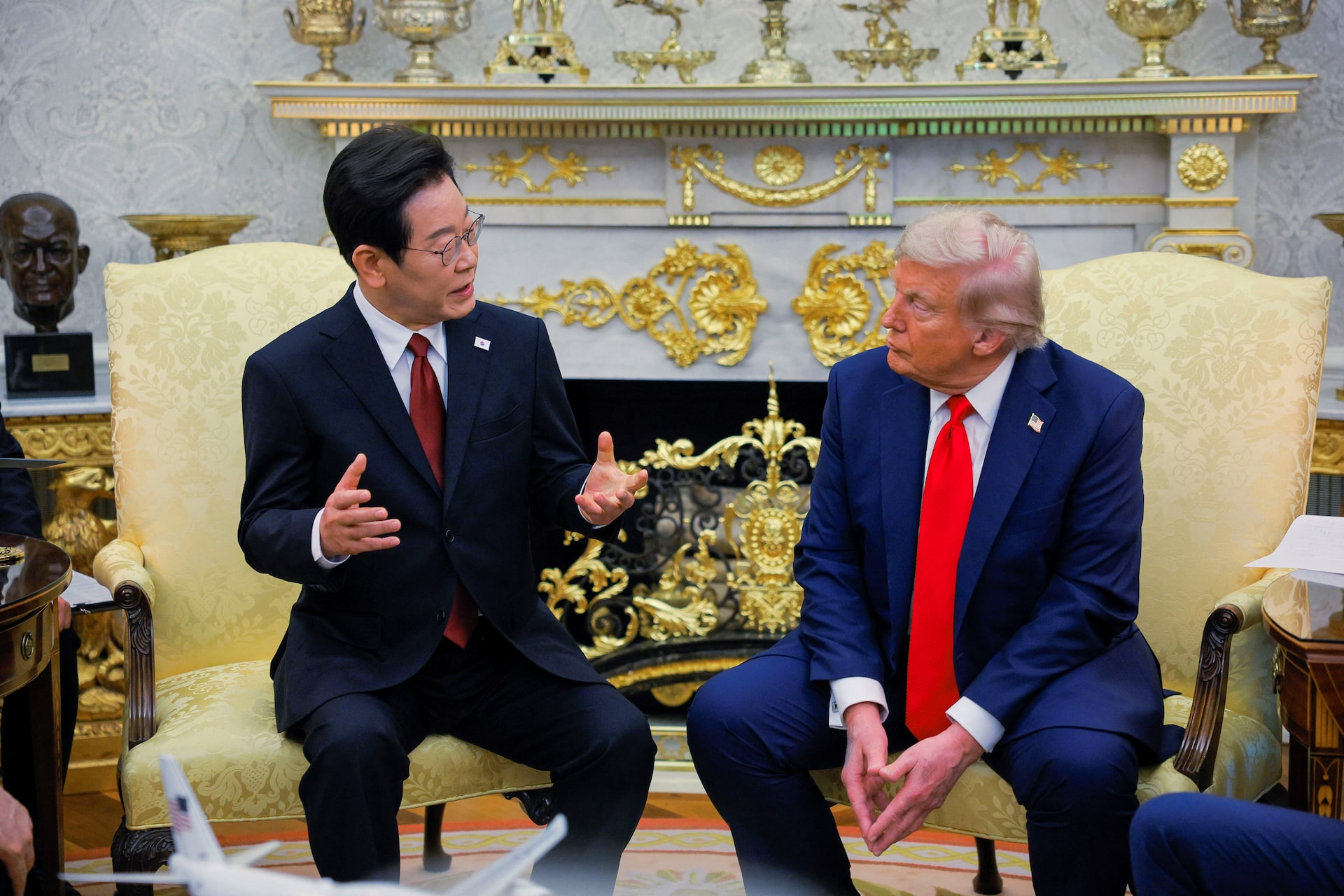
South Korea scrambled on Tuesday to reassure U.S. officials that it remained committed to implementing a trade and investment deal after President Donald Trump said he would raise tariffs on South Korean imports.
The move to increase levies on autos, lumber and pharmaceuticals to 25% from 15% caught Seoul by surprise and raised concerns about trade costs and economic stability.
South Korean government officials emphasised their intention to act quickly to fulfil deal requirements and calm markets. The situation added to pressure on regional markets, even as investors watched currency and equity reactions.
Policymakers in Seoul said dialogue with Washington would continue to clarify obligations and avoid unintended economic disruption.
South Korea’s Finance Minister and trade envoys are preparing discussions in Washington to address U.S. complaints and ensure the investment pact’s implementation proceeds as planned.
The potential tariff increase has implications for major Korean exporters and global supply chains tied to automobiles and other manufactured goods.
Markets reacted with volatility, although some equity benchmarks showed resilience amid broader global optimism in technology sectors.
Analysts said that South Korea’s strong trade ties with the United States will be critical to sustaining investor confidence, particularly at a time when global markets face competing geopolitical and economic narratives.
Trade policy shifts that affect major exporters can influence currency valuations and capital flows as investors adjust portfolios to changing risk profiles.
The South Korean won showed sensitivity to the news, with modest depreciation against major currencies as uncertainty around trade policy weighed on sentiment.
Foreign portfolio flows into and out of Korean markets are likely to remain active amid shifting global conditions.
Market participants said clear communication between Seoul and Washington will be essential to prevent prolonged volatility, and upcoming diplomatic engagements will be closely watched by investors in Asia and beyond.
Source: Reuters.

news via inbox
Get the latest updates delivered straight to your inbox. Subscribe now!