
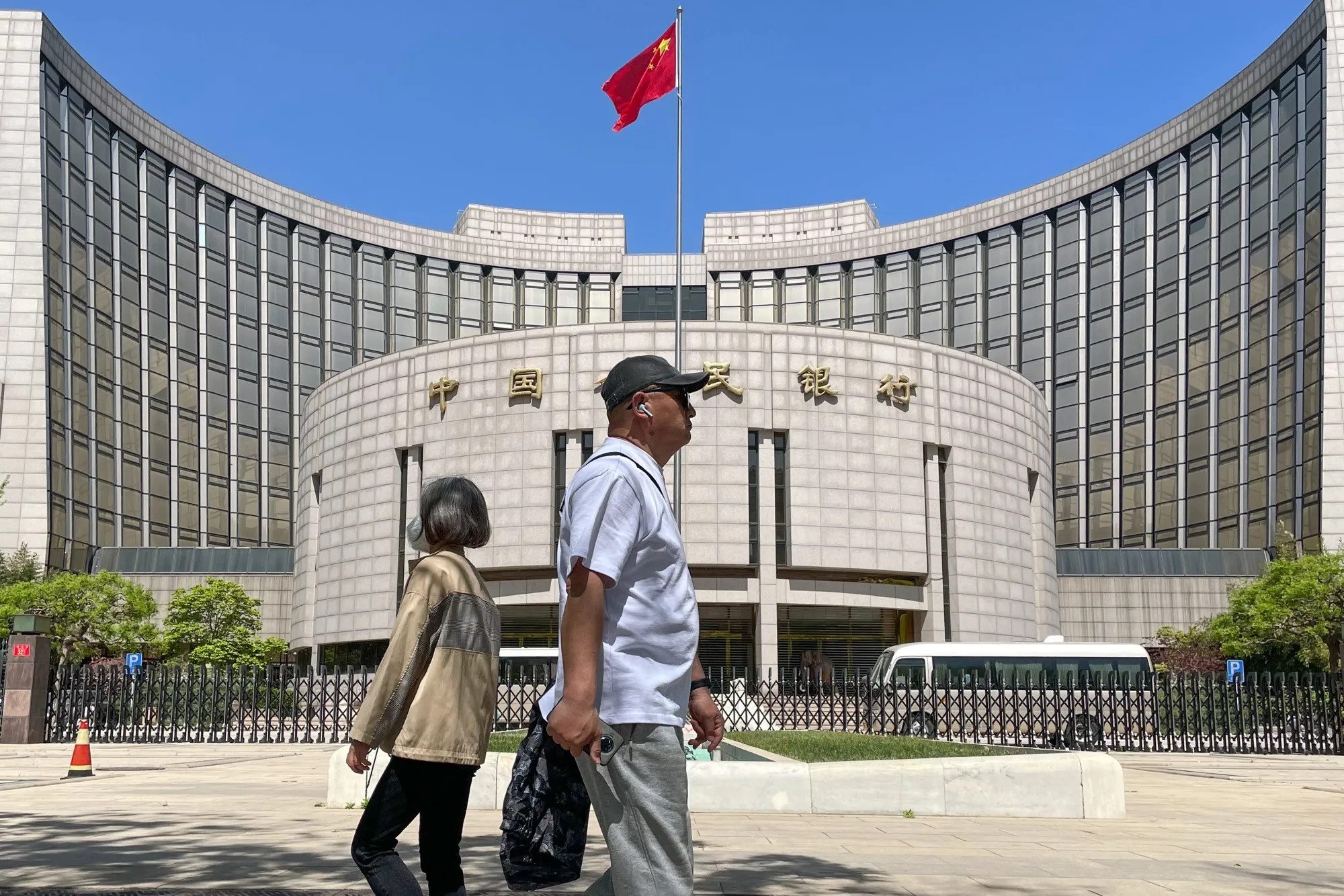
China Cuts Sector-Specific Rates to Support Growth
China’s central bank announced targeted cuts to certain monetary policy tool rates, aiming to boost key economic sectors as growth pressures mount, signalling early support measures amid expectations of broader policy easing in 2026. The People’s Bank of China will lower interest rates on sector-specific lending tools by 25 basis points from January 19 to support technology innovation, green development and financial inclusion, and expand relending programmes for agriculture and small businesses.
Policymakers avoided a broad cut to benchmark rates for now but indicated room for future actions, reflecting concerns about slowing domestic consumption and persistent structural imbalances. The move briefly weakened the yuan before partial recovery, while markets interpreted the steps as signalling proactive support for strategic industries. Analysts say the targeted measures demonstrate Beijing’s focus on tailored stimulus rather than broad monetary loosening.
Lending data shows China’s new bank loans in 2025 were the lowest since 2018, underlining weak credit demand and challenging the economy’s momentum. Compensation from strong export figures and record trade surplus has helped offset some slowdown but long-term growth remains a focal policy concern.
The efforts to bolster specific sectors form part of a broader strategy to ease credit strain among private firms and agricultural sectors, which have faced tighter financing conditions. This targeted approach differentiates China’s policy mix from previously broad stimulus moves.
Financial markets reacted modestly to the news, with Asian equities showing little change and the yuan stabilising after initial fluctuations. Bond yields saw limited movement as traders balanced policy support with broader growth uncertainties.
Looking ahead, economists expect further structural support measures focused on long-term growth drivers and credit flow, even as headline rate cuts remain cautious. Continued monitoring of credit conditions and domestic demand will guide further adjustments.
Source: Reuters

news via inbox
Get the latest updates delivered straight to your inbox. Subscribe now!