
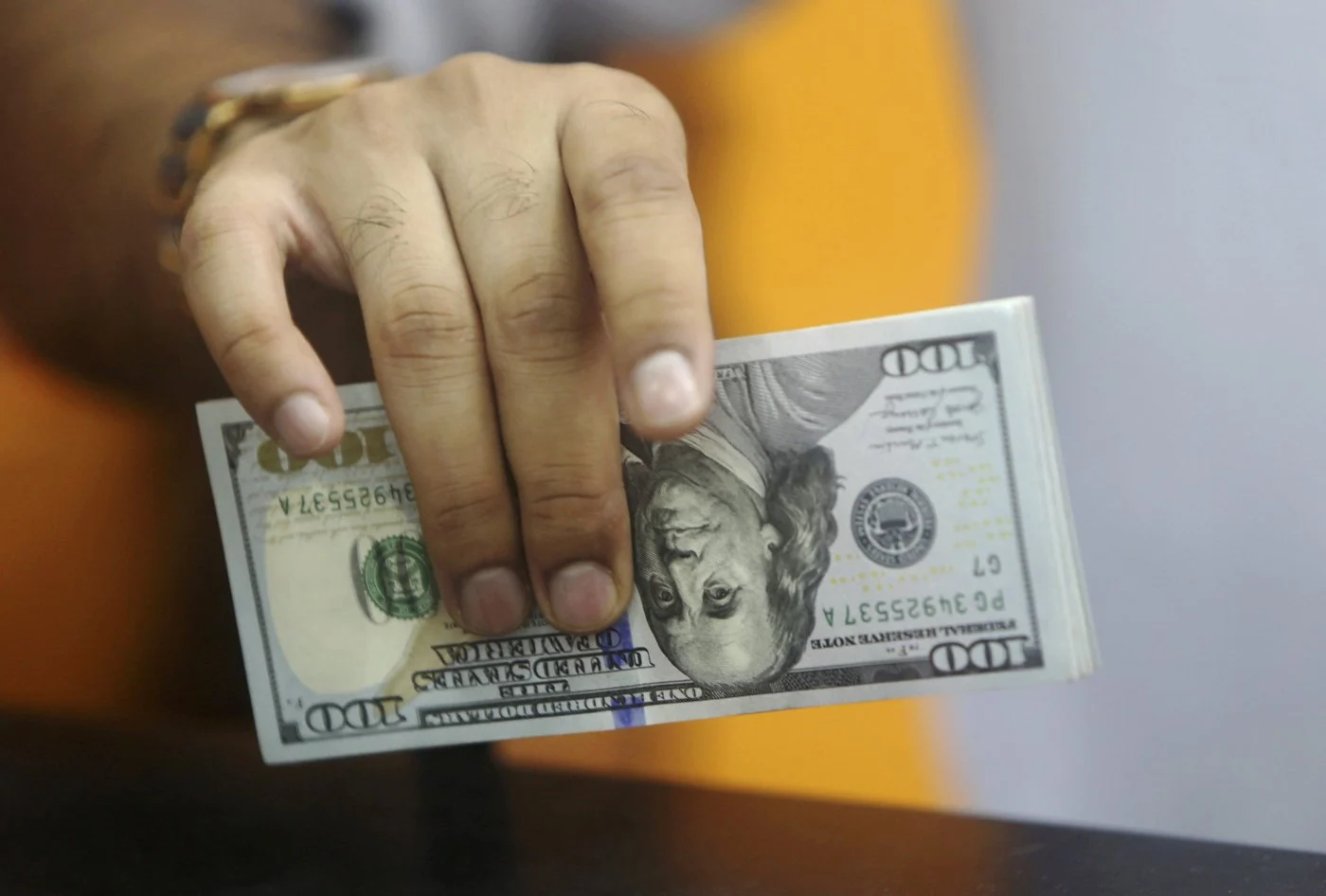
U.S. Dollar Strengthens After Weak 2025; Investors Eye Labor Data, Fed Policy
The U.S. dollar started 2026 stronger against most major currencies, gaining ground after suffering its largest annual drop in eight years in 2025.
The broad based rise reflects expectations that upcoming macro data, including payrolls and inflation reports, could influence the Federal Reserve’s policy direction and support the dollar’s appeal.
The yen, an outlier, remained weak after policy divergence with the Bank of Japan, which had hiked rates without lifting the currency. Bloomberg and FX strategists point to narrowing rate differentials as a key driver of renewed confidence in the U.S. currency.
Investors will closely monitor the U.S. employment figures due later this week, which could validate or upend current expectations around rate cuts in 2026.
Reuters polling suggests payroll gains were modest in December 2025, heightening uncertainty about the labor market’s resilience. If data surprises to the upside, it may strengthen the dollar’s trend and embolden the Fed to delay or scale back any easing.
On the flip side, weaker data could reignite dovish bets, pressuring the greenback.
In currency markets, the euro and sterling retraced portions of their 2025 gains as traders balanced optimism on European growth with caution about divergent monetary policy paths.
Reserve currency flows and safe-haven demand also influenced dynamics, with gold and silver prices holding near elevated levels amid uncertainty.
Emerging market currencies saw mixed performance, influenced by domestic policy and external demand trends.
The dollar’s strength has implications for global trade and investment, with export-dependent economies watching FX conditions as they grapple with competitiveness pressures.
A firm dollar can dampen commodity prices and influence capital flows into emerging markets.
Central bank communications and geopolitical risk premiums remain in focus as drivers of FX volatility.
Analysts caution that the dollar’s trajectory will likely remain reactive to macro data and policy signals, with the upcoming U.S. jobs and inflation reports offering early direction cues for the new year.
Source: Reuters.

news via inbox
Get the latest updates delivered straight to your inbox. Subscribe now!