Former Sonos Executive Takes the Helm at Sauron as Luxury Security Startup Pushes Product Launch to 2026
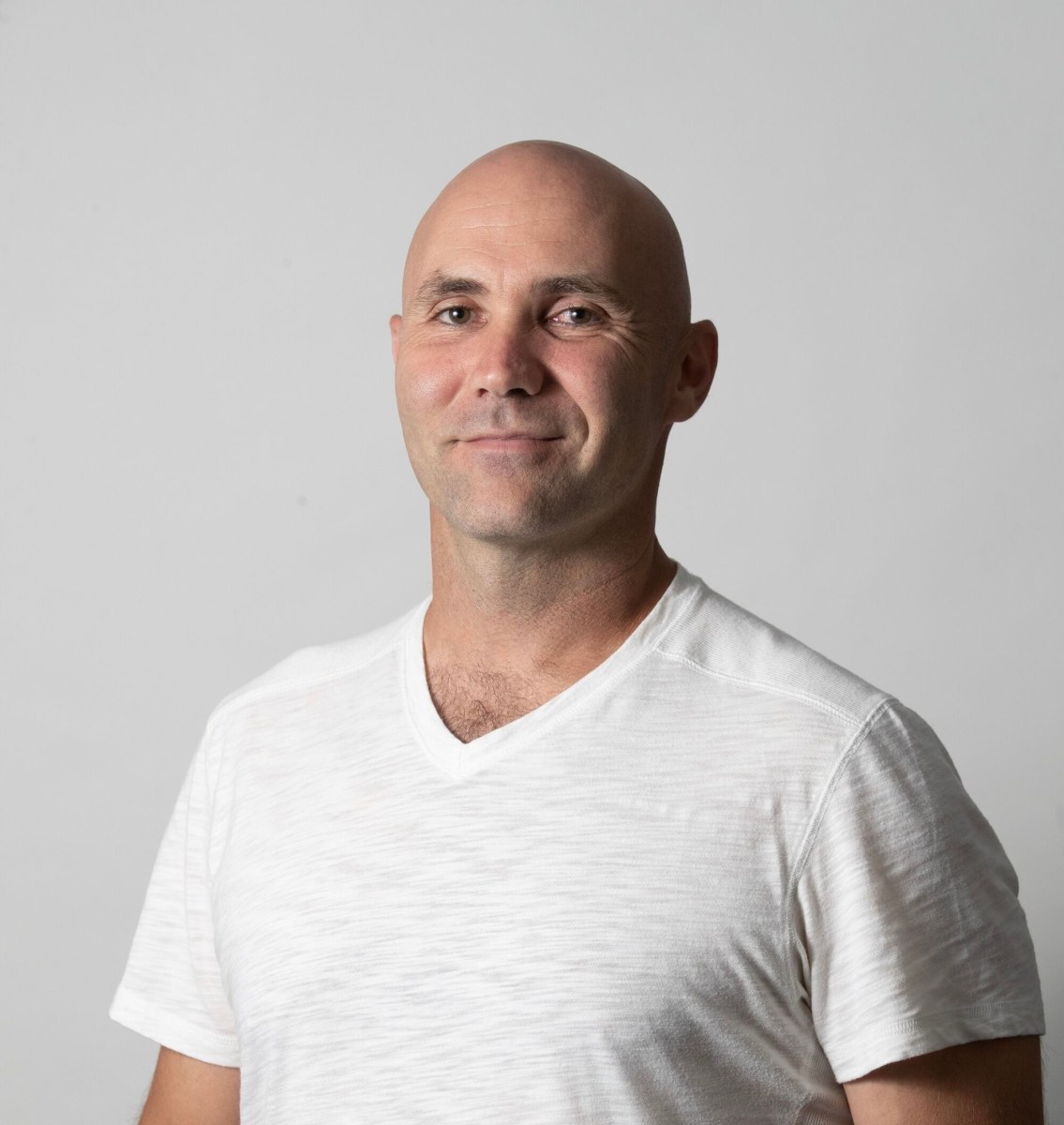
Sauron, a Silicon Valley startup building ultra-premium home security systems for wealthy homeowners, has appointed a new chief executive officer as it continues to refine its product and strategy. The company has named Maxime “Max” Bouvat-Merlin, a former senior executive at Sonos, to lead the venture into its next phase of development.
Sauron was founded in 2024 by serial entrepreneur Kevin Hartz and startup builder Jack Abraham after both men experienced failures with existing home security systems. Hartz, whose San Francisco home was nearly breached without any alert from his security setup, said the incident convinced him that current solutions were inadequate for high-risk, high-value households. Abraham had encountered similar frustrations at his Miami Beach residence.
Named after the all-seeing eye from The Lord of the Rings, Sauron was conceived as a “military-grade” security platform designed for what its founders describe as “super-premium” customers. The idea gained traction in the Bay Area, where concerns about crime intensified during and after the pandemic, even as official police data later showed declines in property crime and homicide.
Backed by strong investor confidence, Sauron raised 18 million dollars from a group that includes executives behind Flock Safety and Palantir, defense-focused investors such as 8VC, Atomic — Abraham’s startup studio — and Hartz’s investment firm, A*. When the company emerged from stealth a year ago, it promised a first-quarter 2025 launch featuring artificial intelligence, advanced sensors such as LiDAR and thermal imaging, and round-the-clock human monitoring by former military and law-enforcement professionals.
That timeline has now shifted significantly.
In a recent interview, Bouvat-Merlin acknowledged that Sauron remains firmly in development mode. After nearly nine years at Sonos, where he also served as chief product officer, he assumed leadership of Sauron last month and is now reassessing core product decisions — from sensor selection to deterrence mechanisms and deployment strategy.
According to Bouvat-Merlin, Sauron’s technology is unlikely to reach customers’ homes before late 2026 at the earliest.
“We are still in the development phase,” he said. “What customers will see is a phased rollout. Our concierge service, AI software, servers, and smart cameras are all separate building blocks that are now being brought together under a plan we finalized only recently.”
Despite the delay, Bouvat-Merlin believes his experience at Sonos offers a useful blueprint. Both companies, he noted, focus on affluent early adopters, depend heavily on word-of-mouth growth, and require tight integration between complex hardware and advanced software.
“The questions we’re asking today at Sauron are the same questions Sonos faced in its early days,” he said, citing debates around premium versus mass-premium markets, professional installation versus do-it-yourself setups, and whether to build internally or partner externally.
At the heart of Sauron’s vision is what Bouvat-Merlin describes as a failure in the current premium security market. His research showed that leading providers hold relatively small market shares and suffer from negative customer satisfaction scores, often due to frequent false alarms that desensitize both users and law enforcement.
“People are not happy with the solutions available today,” he said. “When alarms go off too often, police stop responding because they assume it’s another false positive.”
Sauron plans to begin by serving customers for whom safety is a primary concern — including high-net-worth individuals like its founders — before eventually expanding into a broader “mass premium” category.
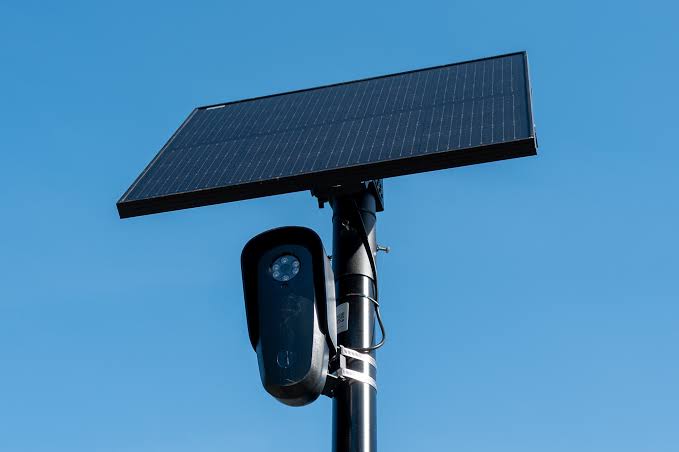
While the final product is still evolving, the current concept centers on multi-sensor camera pods equipped with dozens of cameras and technologies such as radar, LiDAR, and thermal imaging. These would connect to servers running machine-learning software for computer vision, supported by a 24-hour concierge service staffed by former security professionals.
Deterrence, a key selling point, is still being defined. Potential tools include loudspeakers, lighting systems, and early-stage threat detection designed to discourage intruders before they ever enter a property. The system aims to identify suspicious behavior such as repeated surveillance of a home or vehicles circling a neighborhood.
“The earlier we intervene, the more likely we are to stop a crime before it happens,” Bouvat-Merlin said.
Earlier mentions of drones as part of Sauron’s offering remain exploratory. Bouvat-Merlin emphasized that the company is prioritizing partnerships and ecosystem growth rather than attempting to build every component internally.
With fewer than 40 employees, Sauron plans modest hiring in 2026 and will begin working with early adopters later that year. A Series A funding round is planned for mid-2026, once the company can clearly demonstrate progress and product readiness.
Bouvat-Merlin stressed that growth will be measured and deliberate. “This is about building sustainably,” he said. “We want to preserve a premium experience while managing growth carefully and driving toward profitability.”
Privacy and surveillance concerns also loom large. Bouvat-Merlin outlined a permission-based approach in which homeowners explicitly grant access to trusted individuals, while unknown visitors are flagged. License-plate detection may also be used to assess suspicious activity, with human oversight helping refine machine-learning decisions.
Sauron enters the market amid heightened anxiety among wealthy homeowners, following several high-profile robberies in major U.S. cities. One such incident in San Francisco involved the theft of millions of dollars in cryptocurrency after an armed home invasion.
“We’re seeing increased concern among people who feel they are becoming targets,” Bouvat-Merlin said. “There is a real sense of anxiety, and people are actively looking for better protection.”
Much remains undecided, including manufacturing locations and how the system will adapt to different living environments, from sprawling estates to dense urban properties. For now, Bouvat-Merlin says his priority is to build trust internally and execute a clear, credible strategy.
“I don’t ask people to trust me blindly,” he said. “I want to show them, through execution, why they should.”
Sauron expects to release more detailed information about its products and rollout plans later next year.
Source: Techcrunch

news via inbox
Get the latest updates delivered straight to your inbox. Subscribe now!