
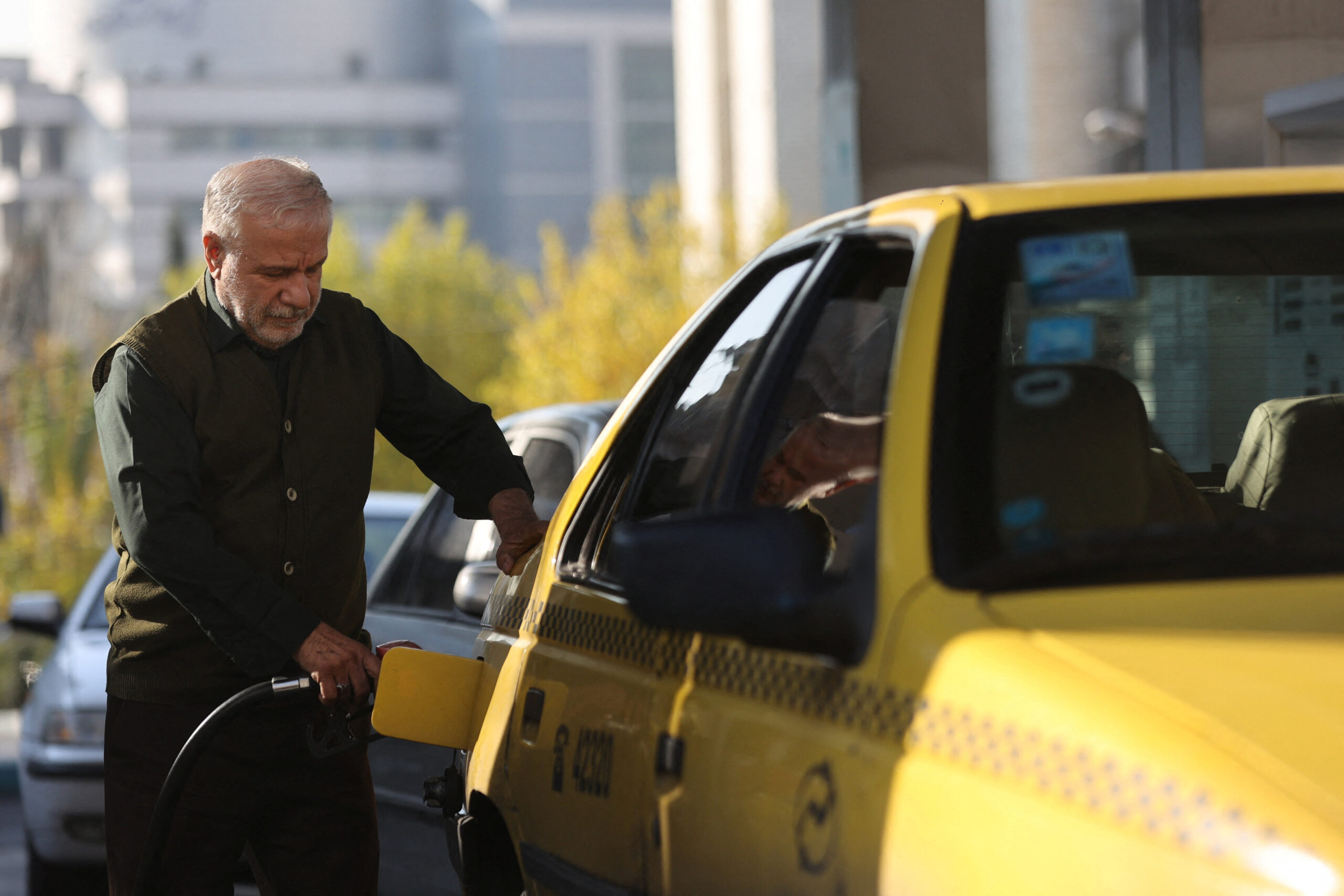
Iran Raises Fuel Prices for Most Consumers to Curb Consumption and Smuggling
Iran’s government has increased the price of subsidised gasoline for most vehicles — a significant policy shift aimed at reducing domestic fuel consumption and curbing widespread smuggling of cheap fuel across borders. The move on Saturday affects all vehicles except ambulances and critical emergency services, signalling Tehran’s attempt to recalibrate energy pricing without triggering mass public unrest.
Officials have long postponed a fuel price adjustment due to fears it could trigger protests similar to those seen in 2019, when a previous hike sparked nationwide unrest and a harsh government crackdown. By targeting heavy users and exempting essential services, authorities appear to be trying to strike a balance between fiscal necessity and social stability.
State media reported that the new price — set at around 50,000 rials per litre for most consumers — is still below the free-market rate but represents a meaningful increase for ordinary drivers accustomed to some of the lowest fuel costs in the world. Tehran has argued that years of tight subsidies have distorted consumption patterns and burdened government finances.
Economists say that reducing fuel subsidies could have mixed effects: while it may cut smuggling and reduce government spending, it could also increase transportation and logistics costs, impacting inflation and business operating expenses if not offset by broader economic reforms.
The pricing decision comes amid broader OPEC+ dynamics and energy market uncertainties, with Middle Eastern producers navigating shifting demand patterns and supply policies around the world. Tehran’s policy adjustment will be closely watched by energy analysts for its potential influence on regional fuel markets and smuggling flows.
Source: Reuters.

news via inbox
Get the latest updates delivered straight to your inbox. Subscribe now!