How AI is Revolutionising IVF: Selecting Embryos with Precision
Artificial intelligence is now helping doctors choose the most promising embryos in in vitro fertilisation (IVF), offering new hope to millions of parents struggling to conceive. Nearly 50 years after the birth of the first IVF child, AI is bringing a precision-driven edge to the process, improving success rates while reducing emotional and financial strain.
IVF involves fertilising an egg with sperm in a lab to create embryos for implantation. While the procedure has enabled millions of births worldwide, its success rate varies widely and declines with age. Each failed attempt can be emotionally and financially taxing for hopeful parents.
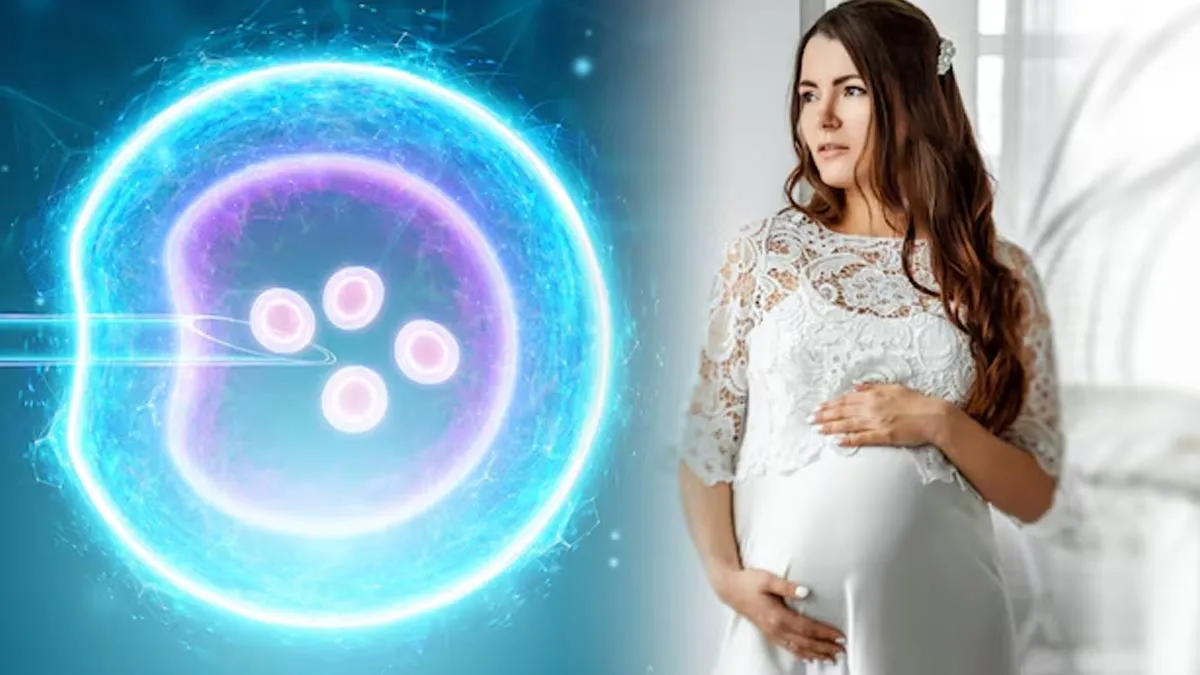
At the American Hospital of Paris, a leading IVF centre performing over 2,300 procedures annually, AI is being deployed to analyse embryos using data from an embryoscope — a time-lapse camera that films embryonic development continuously.
Traditionally, doctors relied on limited observations of embryo shape, symmetry, and cell division. AI now allows them to analyse these factors more deeply, predicting which embryos are most likely to implant successfully or be frozen for later use.
Frida Entezami, co-leader of the IVF department, explained that AI “offers doctors additional insight without replacing human decision-making.” The hospital’s AI tool, developed by Israeli start-up AIVF, is being tested internally with the aim of halving the number of IVF cycles needed to achieve pregnancy.
According to Entezami, the system provides a 70% probability that recommended embryos will not have genetic abnormalities — a significant improvement, given that roughly half of pre-implantation embryos currently show such abnormalities.
Beyond embryo selection, AI tools are also assisting with optimising hormone dosages before egg collection and increasing the chances of retrieving viable sperm in low-count samples. Each failed IVF attempt generates valuable data, which can feed AI models to improve the likelihood of success in subsequent cycles.
Anne-Claire Lepretre, head of France’s Biomedicine Agency’s assisted reproductive technologies unit, described AI-assisted IVF as “personalised support for hopeful parents,” helping them navigate the “emotional rollercoaster” of complex and psychologically demanding fertility journeys.
Despite the optimism, experts caution that AI in embryo selection raises ethical questions. Julian Koplin, bioethicist at Monash University, notes that using AI to influence which embryos are chosen is effectively “deciding who is brought into the world.” He argues that patients with moral objections should be informed and offered the option to opt out of AI-assisted selection.
Michael Grynberg, a French obstetrician-gynaecologist specialising in IVF, emphasised the importance of combining AI insights with traditional clinical markers. “We need more relevant markers, because morphology alone is not sufficient,” he said, highlighting the evolving role of technology in reproductive medicine.
As AI continues to integrate into IVF, it promises higher success rates, personalised care, and reduced emotional strain, while sparking global debates about ethics and the future of human reproduction. For many parents, these tools are not just about science- they are about hope, choice, and the possibility of starting a family.

news via inbox
Get the latest updates delivered straight to your inbox. Subscribe now!