
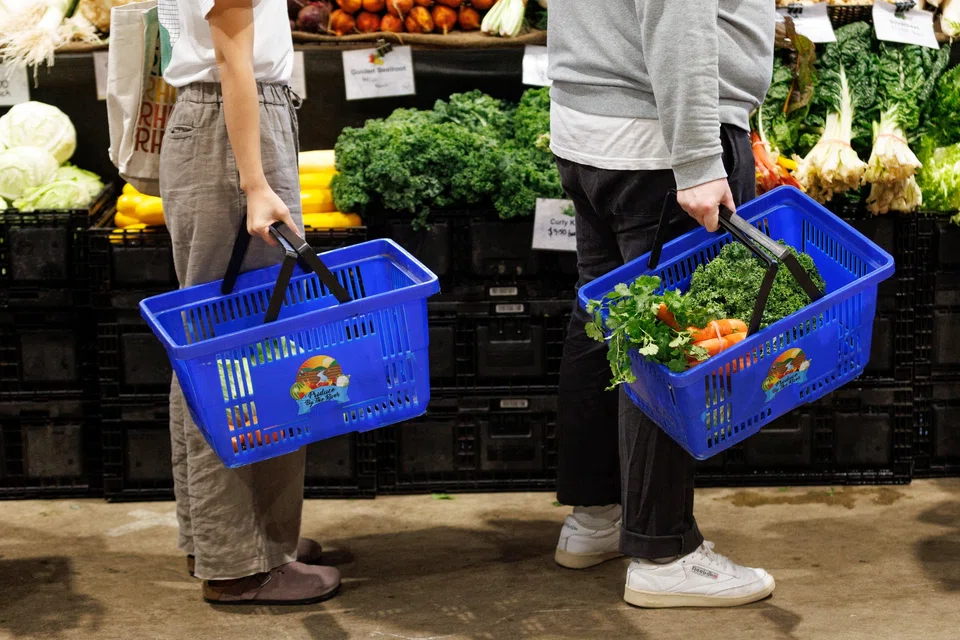
Australia’s Household Spending Surges, Strengthening Expectations of Rate Hike
Australia reported a sharp jump in household spending for October, revealing stronger-than-expected consumer activity and raising what markets now see as a renewed chance of a rate hike, who will be affected most, where spending is concentrated, why the surge matters, when policy shifts may occur, and how the data could influence the Reserve Bank’s next decisions. The figures, released in Canberra on Thursday, showed a 1.3 percent monthly rise—its biggest gain in nearly two years.
Economists say the increase reflects strong discretionary spending across travel, recreation, electronics and household goods, suggesting consumers were positioned for year-end sales despite earlier signs of caution. Over the past year, Australian household spending grew 5.6 percent, a pace analysts describe as “surprisingly resilient” against global economic uncertainty and rising living-cost pressures.
Financial markets reacted immediately, with yields on three-year government bonds climbing as traders priced in a higher likelihood that the Reserve Bank of Australia could lift interest rates by May 2026. The stronger spending numbers counter earlier expectations that the central bank would maintain a cautious stance due to slowing global manufacturing and weaker external demand.
Retailers and service-sector operators welcomed the figures, noting that the rebound in customer traffic is improving business confidence after months of uneven sales. However, some economists warn that the strength in spending could keep inflation elevated longer than anticipated, increasing the chances of tighter monetary policy if price pressures persist into the first quarter of next year.
For policymakers, the challenge now is balancing a robust domestic economy with signs of global cooling. While the data signals greater economic momentum, the Reserve Bank must still determine whether strong spending reflects sustainable growth or a short-term surge that could fade if borrowing costs continue to rise.
Source: Reuters.

news via inbox
Get the latest updates delivered straight to your inbox. Subscribe now!